How the Keffiyeh Became a Global Symbol of Heritage
Introduction
The keffiyeh, a traditional Middle Eastern headdress, transformed from a practical garment into a potent global emblem of Palestinian heritage and solidarity. Its journey began with Bedouins using it for protection, evolved through key political struggles where it unified identity, and has now been adopted worldwide as a symbol of resilience and cultural pride.
Key Takeaways
- The keffiyeh originated as a practical headdress for Bedouins and farmers, designed for protection against the sun and sand.
- It became a national symbol during the 1936-1939 Arab Revolt, worn to unify Palestinians and conceal rebel identities.
- Figures like Yasser Arafat and Leila Khaled globalized the scarf in the 1960s, cementing it as an icon of resistance.
- Its distinctive patterns are rich with cultural meaning, commonly interpreted as representing fishnets, olive leaves, and trade routes.
- Today, wearing the keffiyeh is a global act of solidarity, though it also sparks conversations on cultural appropriation and authentic representation.
From Practical Garment to Political Symbol
The Humble Beginnings: A Scarf for the Sun
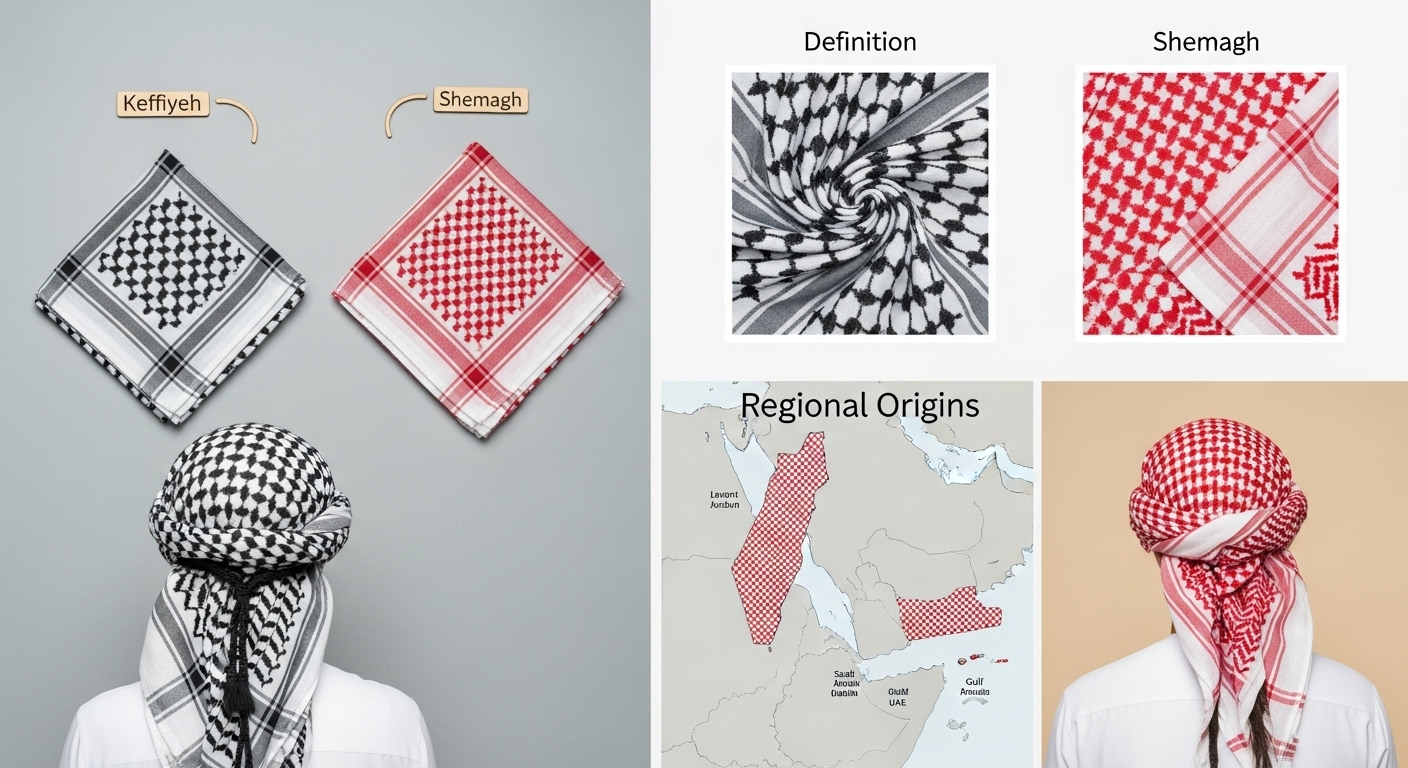
Long before it carried political weight, the keffiyeh (also known regionally as a shemagh, kufiya, or hatta) was a cornerstone of practical attire in the arid Middle East. Its origins are deeply rooted in the Bedouin nomadic communities, who fashioned the square cotton scarf as essential protection from the relentless sun, dust, and sandstorms. For centuries, it was a simple, functional part of daily life, with variations in color and style across different regions.
Before the 1930s, the keffiyeh was primarily associated with rural life. Palestinian farmers (fellahin) wore it, while the urban elite (effendi) often preferred the red tarbush (or fez). This distinction was not just about fashion but marked clear social and class lines within Palestinian society.
The Pivotal Turn: The 1936-1939 Arab Revolt
The transformation of the keffiyeh from a practical item to a national symbol began during the 1936-1939 Arab Revolt against British Mandate rule. Palestinian rebels used the scarf to cover their faces, shielding their identities from British authorities.
In a powerful act of collective defiance, revolutionary leaders issued an order for all Arab men to wear the keffiyeh. This tactic was meant to make it impossible for British soldiers to distinguish rebels from the general population. The order was widely obeyed, leading a British official to note the surprising speed with which the tarbush was replaced by the keffiyeh across the country. This moment unified Palestinians across class lines under a single symbol, planting the seeds of its enduring political meaning.
Cementing a Global Icon: Resistance and Recognition
The Arafat Effect and the Rise of a Symbol
The keffiyeh’s journey to the world stage accelerated in the 1960s with the rise of the Palestinian resistance movement. It was Yasser Arafat, the chairman of the Palestine Liberation Organization, who indelibly linked his image to the scarf. He was rarely seen without his meticulously folded keffiyeh, which he often arranged over his right shoulder in a style said to resemble the map of pre-1948 Palestine.
A Note on Pattern Symbolism: The patterns on the black and white Palestinian keffiyeh are often interpreted symbolically. While not historically verified, common interpretations include: the fishnet pattern representing ties to the Mediterranean Sea or solidarity; the bold stripes symbolizing historic trade routes; and the curvy lines depicting olive leaves, a symbol of resilience and attachment to the land.
The symbol's adoption was not limited to men. Leila Khaled, a prominent figure in the Palestinian liberation movement, was famously photographed wearing a keffiyeh as a headscarf, inspiring Palestinian women to adopt it as a symbol of unity and resistance. During the First and Second Intifadas, the scarf became a ubiquitous symbol of protest and national identity, especially for youth.
The Keffiyeh's Evolution: A Timeline of Meaning
The scarf's significance has continuously evolved through key historical periods:
- Pre-1930s: The keffiyeh served as a practical garment for Bedouins and farmers, distinguishing the rural population from the urban elite who wore the tarbush.
- 1936-1939 Arab Revolt: It transformed into a symbol of unified resistance against British rule, worn collectively to protect rebel identities and foster national unity.
- 1960s Onward: Promoted by figures like Yasser Arafat, it became an icon of Palestinian nationalism and a global emblem of solidarity with liberation struggles.
- 21st Century: It persists as a powerful global cultural and political symbol, navigating complex spaces between meaningful solidarity, fashion trends, and debates on cultural appropriation.
From Local Headdress to Worldwide Symbol
The keffiyeh’s meaning expanded beyond Palestine's borders, becoming a global symbol of solidarity. Internationally, activists and supporters began wearing it to express their support for the Palestinian cause and, more broadly, for anti-colonial and liberation struggles worldwide.
Its entry into Western fashion, however, has been a double-edged sword. While its popularity in the 2000s increased visibility, it also led to controversies about cultural appropriation, where its profound political significance was sometimes divorced from its aesthetic use as a mere accessory. This tension highlights the scarf's powerful duality: for some, it is a fashion statement; for Palestinians and informed allies, it remains a deep-seated symbol of heritage and resistance.
Wearing Heritage: The KUVRD Commitment
Understanding this rich history underscores the importance of authenticity and intentionality. Wearing a keffiyeh connects you to a legacy of resilience. For those seeking a genuine piece of this heritage, KUVRD offers authentic keffiyehs that honor this tradition.
Founded with Palestinian roots, KUVRD's story is intertwined with the keffiyeh’s own journey. The family-owned factory was originally established in Jericho, Palestine, in the 1950s before moving to Amman, Jordan. Today, it continues to produce high-quality scarves, ensuring the craft and its cultural significance endure. Choosing an authentic KUVRD keffiyeh is more than a purchase; it's a gesture of support for Palestinian heritage and the artisans who preserve it.
Conclusion
The keffiyeh’s path from a simple desert scarf to a global symbol of heritage is a powerful narrative of cultural identity and political expression. It represents practicality, unity in struggle, and an unyielding connection to land and history. In today's world, wearing it can be a meaningful act of solidarity, provided it is done with respect for its profound significance. As it continues to circulate globally, the keffiyeh remains a timeless, woven testament to Palestinian resilience and a call for justice recognized around the world.
Frequently Asked Questions
What is the difference between a keffiyeh, shemagh, and kufiya?
These terms often refer to the same basic garment, a traditional square scarf, with regional variations in name. Keffiyeh is common in Palestine and Jordan, shemagh is frequently used in the Gulf region, and kufiya is another transliteration.
What do the patterns on a Palestinian keffiyeh mean?
Common symbolic interpretations include the fishnet pattern representing the Mediterranean Sea or solidarity, the bold lines symbolizing historic trade routes, and the olive leaf designs reflecting resilience and ties to the land. These are cultural interpretations rather than historically verified facts.
Is it appropriate for anyone to wear a keffiyeh?
Many believe anyone can wear a keffiyeh, but it should be done with respect for its cultural and political significance. It's crucial to understand that it is more than a fashion accessory; for many, it's a symbol of Palestinian heritage and solidarity.
Where can I buy an authentic keffiyeh?
Authentic keffiyehs are still produced by factories like the Hirbawi factory in Palestine and heritage brands like KUVRD, which manufactures its scarves in a family-owned factory with Palestinian origins, ensuring quality and cultural authenticity.


