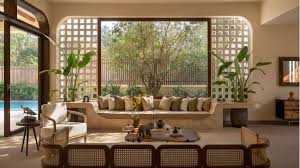
Architectural Wonders Hidden Inside Private Homes
When we think of architectural wonders, our minds often jump to public landmarks—museums, palaces, skyscrapers, or historic monuments. Yet some of the most extraordinary architectural masterpieces in the world are hidden behind private gates. Across continents, private homes conceal breathtaking design innovations, artistic craftsmanship, and engineering brilliance that rival the greatest public structures.
These architectural wonders remain largely unseen by the public, known only through limited tours, architectural publications, or rare glimpses. From underground mansions and glass cliffside villas to heritage palaces converted into homes, private residential architecture has become a playground for creativity, technology, and personal expression.
The Rise of Private Architectural Masterpieces
As global wealth has grown, so has the ambition of private homeowners. Billionaires, celebrities, and design visionaries increasingly collaborate with world-renowned architects to create one-of-a-kind residences. These homes are not built merely for living—they are built to push architectural boundaries.
Unlike commercial projects, private homes allow architects complete creative freedom. Clients often request experimental structures, rare materials, and deeply personalized layouts, resulting in homes that function as private museums of design.
Underground Luxury Mansions
One of the most fascinating hidden architectural trends is the rise of underground homes. Built beneath landscapes or hillsides, these residences combine privacy, security, and environmental efficiency.
Architectural highlights include:
-
Earth-sheltered construction
-
Natural insulation reducing energy use
-
Hidden entrances
-
Skylight courtyards bringing light underground
-
Climate-stable interiors year-round
These homes remain visually discreet while offering expansive interior luxury below the surface. Some even include underground pools, garages, and art galleries.
Glass Cliffside Villas
Cliffside homes represent another category of hidden architectural wonders. Built along coastal cliffs or mountainous terrain, these residences combine engineering precision with dramatic aesthetics.
Key design features include:
-
Cantilevered structures projecting over cliffs
-
Floor-to-ceiling glass walls
-
Infinity pools merging with ocean views
-
Structural steel frameworks for stability
These homes blur the line between architecture and landscape, creating the illusion of floating living spaces suspended above nature.
Beyonce House Malibu: A Fan’s Curiosity About Her Oceanfront Home
Historic Palaces Turned Private Residences
In Europe and parts of Asia, historic palaces and castles have been converted into private homes. These properties preserve centuries-old architecture while integrating modern luxury.
Hidden within these estates are:
-
Hand-painted fresco ceilings
-
Marble halls and grand staircases
-
Antique wood paneling
-
Secret passageways
-
Restored royal gardens
Owning such a home is not just about luxury—it is about preserving cultural and architectural heritage.
Smart Homes as Technological Architecture
Modern private homes are also architectural wonders in technological terms. High-net-worth homeowners are investing in fully automated smart residences where architecture and technology merge seamlessly.
Advanced features include:
-
AI-controlled lighting and climate systems
-
Voice-activated home environments
-
Biometric security access
-
Automated glass opacity walls
-
Hidden retractable screens and panels
In these homes, technology is embedded invisibly within architectural elements, enhancing both convenience and aesthetic minimalism.
Private Indoor Wellness Resorts
Another hidden architectural trend is the integration of wellness resorts inside private homes. These spaces rival five-star spa retreats and are designed for holistic health.
Common features include:
-
Indoor lap pools
-
Hydrotherapy spas
-
Salt therapy rooms
-
Meditation domes
-
Yoga pavilions
-
Private gyms with recovery zones
Wellness architecture transforms homes into self-contained sanctuaries focused on longevity and mental well-being.
Subterranean Car Galleries
For automobile collectors, garages are no longer simple storage spaces. Many private homes now feature museum-style underground car galleries.
Architectural elements include:
-
Climate-controlled display halls
-
Rotating car platforms
-
Glass viewing corridors
-
Automotive lighting design
-
Integrated lounges and bars
These garages function as private exhibition spaces, showcasing rare vehicles as works of art.
Art-Integrated Residential Architecture
Some private homes are designed entirely around art collections. Architecture becomes a gallery framework, carefully planned to display sculptures, paintings, and installations.
Design strategies include:
-
Double-height gallery halls
-
Museum-grade lighting systems
-
Climate-controlled art vaults
-
Rotating exhibition walls
In such homes, architecture exists to elevate artistic experience.
Floating and Overwater Private Homes
Luxury architecture is expanding into aquatic environments. Floating villas and overwater residences are becoming architectural marvels hidden in private island resorts or coastal estates.
Key innovations include:
-
Buoyant structural platforms
-
Glass floor panels
-
Marine-resistant materials
-
Integrated desalination systems
These homes represent the future of climate-adaptive luxury architecture.
Why These Wonders Remain Hidden
Unlike public landmarks, private homes are shielded by:
-
Security and privacy concerns
-
Exclusive ownership rights
-
Limited public access
-
Remote or gated locations
This exclusivity adds to their mystique. Architectural enthusiasts often rely on rare publications or digital showcases to experience them.
The Future of Hidden Residential Architecture
Private architectural wonders are evolving toward:
-
Net-zero energy mega homes
-
AI-adaptive living environments
-
Climate-resilient underground cities
-
Space-efficient vertical mansions
-
Fully self-sustaining estates
Innovation is accelerating as wealth, technology, and design ambition converge.
Final Reflection
Architectural wonders are not limited to public monuments. Some of the most groundbreaking design achievements exist quietly within private homes around the world.
From underground mansions and cliffside glass villas to historic palace residences and smart wellness estates, these hidden homes redefine what residential architecture can achieve.
They prove that behind private gates lie not just houses—but engineering marvels, artistic statements, and visionary explorations of how humans can live in the most extraordinary ways imaginable.


