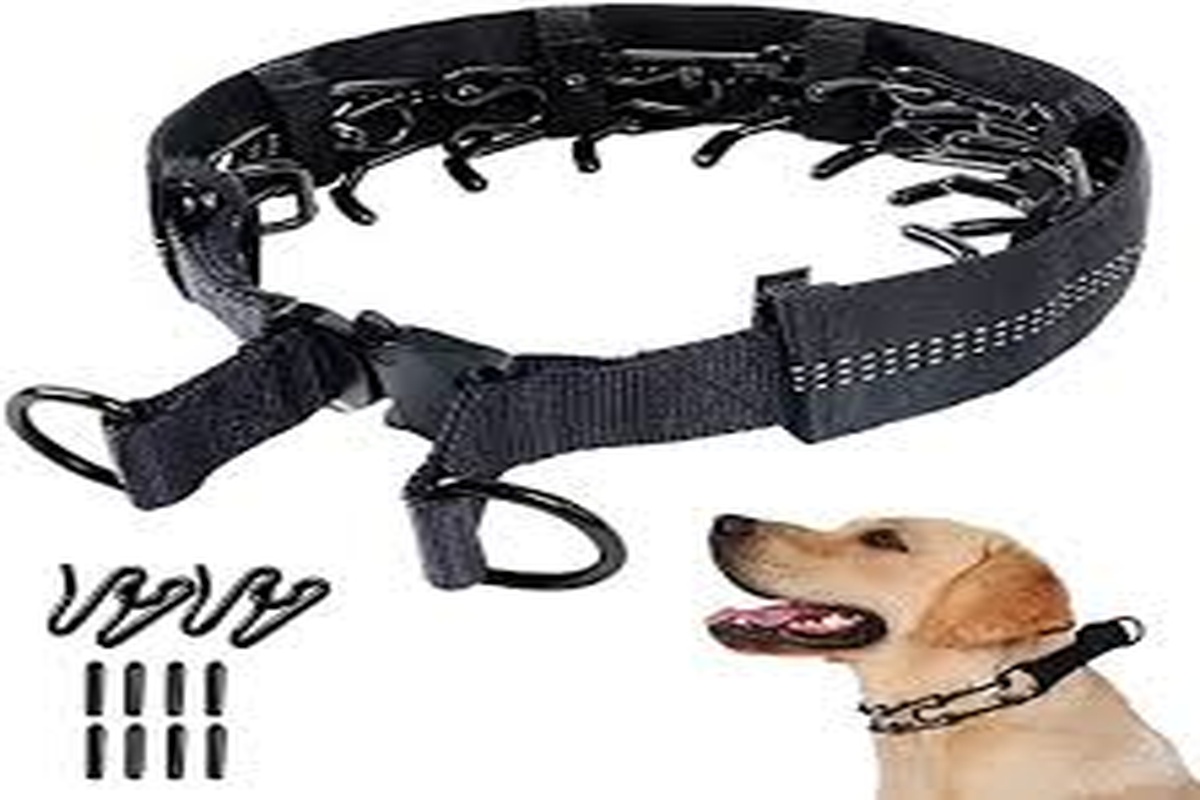
Dog Choke Collar Buying Guide: What to Know, Risks, and Safer Alternatives
If you searched “dog choke collar”, you’re probably trying to solve one of these problems fast: a dog pulling on leash, a dog that slips out of a collar, or a need for “more control” on walks. Before you buy, it’s worth knowing what a choke chain collar actually does, what many veterinary and welfare sources recommend, and which safer alternatives usually work better for everyday walking.
A dog choke collar (also called a choke chain, slip chain, or check chain) tightens when the leash/lead is pulled, there’s no built-in stopping point. Many welfare and veterinary behavior sources advise avoiding aversive tools like choke chains and instead using reward-based training with safer gear such as a front-clip no-pull harness or a martingale collar (limited-slip) for escape artists.
What Is a Dog Choke Collar?
A choke collar is a loop of chain (or sometimes nylon) that tightens around the dog’s neck when leash tension increases. Because it can keep tightening, it’s different from a martingale collar, which is designed to tighten only to a limit.
Common terms shoppers use
- Choke chain collar / check chain / slip chain
- Slip collar (often confused with a martingale)
- Slip lead (not a collar, lead + loop used together)
What professional guidance generally recommends
The American Veterinary Society of Animal Behavior (AVSAB) includes choke chains in the category of tools an appropriate trainer should avoid when they involve pain or intimidation, and emphasizes reward-based approaches for better long-term outcomes.
UK-based veterinary charity PDSA specifically advises: don’t use anything painful or restrictive “such as a choke collar,” and recommends using a harness if your dog pulls to help prevent neck harm.
The Royal Kennel Club frames the lead as a safety device, not something to pull a dog around while supporting the modern shift toward training and humane handling rather than force-based equipment.
Why this matters for buyers
Even if a choke chain looks like a “quick fix,” many dogs pull because pulling works (they reach smells, people, or places faster). Gear can help you manage the walk, but lasting improvement usually comes from consistent leash walking training and reinforcement.
Pros, Cons, and Who Should Avoid Choke Collars
Why people consider a choke chain collar (Pros)
- Simple design, widely available
- Can feel like “instant control” in the moment (especially to new owners)
- Budget-friendly compared to some specialty gear
Why many owners and pros avoid it (Cons)
- Tightens without a stop (unlike limited-slip options)
- Can increase stress for some dogs, especially anxious or reactive dogs (welfare concern)
- Neck pressure can be a problem for dogs with small bodies, short noses, or sensitive airways (more on this below)
Avoid if your dog is:
- A puppy still learning basics
- A brachycephalic breed (e.g., Pug/Frenchie) or any dog with breathing issues
- Fearful/reactive on walks
- Recovering from neck/eye issues
Research has shown intraocular pressure can increase when dogs pull against a collar compared to a harness, important for dogs with or at risk of eye disease.
Choke Collar vs Safer Alternatives (Best Buyer Decision Section)
-
Dog choke collar (choke chain / slip chain / check chain)
- Tightens continuously when leash tension increases (no built-in stopping point).
- Often bought for “quick control,” but many welfare/vet-behavior sources discourage aversive, tightening tools for routine walking.
-
Martingale collar (limited-slip)
- Tightens only to a limit, helping prevent dogs from backing out of collars.
Better choice than a choke chain for “escape artists,” especially sighthounds.
- Tightens only to a limit, helping prevent dogs from backing out of collars.
-
Front-clip no-pull harness
- Designed for dogs that pull on leash, improves handling by redirecting the body without neck tightening.
- Commonly recommended as a safer everyday option for pullers.
-
Back-clip harness
- Comfortable and simple for calm walkers or small dogs, with low neck pressure.
- May not reduce pulling as effectively as a front-clip harness.
-
Head halter
- Provides strong steering control for powerful pullers by guiding the head.
- Usually needs gradual acclimation; best with guidance if you’re unsure.
What to Buy Instead
No brand lock-in—shop by category:
-
Front-clip no-pull harness
- Great for dogs pulling on leash/lead; reduces neck pressure and improves handling comfort.
-
Martingale collar (limited-slip)
- Best for dogs that slip out of flat collars; more secure without the “tighten endlessly” effect.
-
Flat collar + harness combo
- Flat collar for ID tags; harness for walking. Practical for most homes (US and UK).
-
Head halter (for strong pullers)
- Can help with steering; plan a gradual introduction and consider professional guidance.
Dog Collar Sizing Guide
Even the best dog walking gear fails if sizing is wrong.
How to measure
- Measure the neck where the collar naturally sits.
- Record inches and cm
Fit rules that reduce risk
- Two-finger rule: you should fit two fingers between collar and neck (varies by coat thickness).
- The collar should not rotate excessively or slide over the head.
- For harnesses: ensure no rubbing behind the elbows; check straps after a short walk.
The Royal Kennel Club also emphasizes choosing a collar that fits now and is adjustable as dogs grow, especially puppies.
Safety Notes You Should Know Before You Buy
1) Don’t use choke-type collars for tethering
Some US state tethering laws restrict or prohibit tethering dogs with choke-type collars. If you’re in the US, this matters for backyard tie-outs even if you planned to use the collar only for walking.
2) Pulling + neck pressure can create health risks
Evidence indicates collars can increase intraocular pressure when dogs pull (compared to harnesses), and reviews suggest choosing equipment to reduce risk—especially for dogs prone to medical issues.
3) Real-world policy stance
UK welfare messaging commonly discourages choke chains; for example, an RSPCA branch page states their policy is to recommend owners don’t use choke chains due to being painful and potentially dangerous.
The Real Reason Dogs Pull (and how to fix it without harsh tools)
Many dogs pull because pulling is self-rewarding: they get to sniff, greet, or reach interesting places. Training approaches that reward loose-leash walking and avoid punishment are widely recommended by welfare organizations.
Practical buyer takeaway:
If you buy better gear (front-clip harness + training treats) you’re not “giving up control”—you’re choosing a setup that supports learning and reduces the chance your dog becomes more stressed on walks.
Common Mistakes (Why Owners Regret a Choke Chain Purchase)
- Buying a training collar for dogs expecting it to replace training
- Choosing the wrong tool for the goal (pulling vs escaping are different problems)
- Skipping fit checks (slipping, rubbing, discomfort)
- Using a single solution for every dog (reactive dogs often need behavior support)
- Ignoring health factors (airway/eye risks)
A 2024 paper reviewing leash-walking equipment notes owners use many tools, including aversive collars, and discusses welfare and effectiveness considerations across equipment types.
Myths vs Reality
Myth: “Choke collars are fine if used lightly.”
Reality: Welfare guidance still discourages painful/restrictive tools, and many dogs do better with harness-based walking plus positive reinforcement.
Myth: “A harsher tool trains faster.”
Reality: AVSAB warns about the fallout from aversive training methods and emphasizes least-harm approaches for long-term results.
Myth: “If my dog pulls, I need neck control.”
Reality: Reviews suggest non-tightening front-clip harnesses can offer a strong balance between reducing pulling and minimizing discomfort.
Shopping Checklist
Before checkout, confirm:
- Your goal: stop pulling (front-clip harness) vs prevent escapes (martingale)
- Proper sizing (neck + chest measurements)
- Comfort features: padding, Y-shape harness option, smooth stitching
- Secure hardware: strong buckles, durable rings, solid stitching
- Training support: treats pouch or clicker (makes gear work faster)
FAQs
Are choke collars bad for dogs?
Many welfare and veterinary behavior sources discourage choke collars because they can cause discomfort and rely on aversive pressure, and recommend reward-based training and safer gear instead.
What is the difference between a choke collar and a martingale collar?
A choke collar tightens with tension and has no built-in limit. A martingale collar is a limited-slip design intended to prevent a dog from backing out, tightening only to a set point.
What’s the safest alternative to a choke collar for pulling?
A non-tightening front-clip no-pull harness is commonly recommended for pullers because it reduces neck pressure and supports training.
Can a choke collar cause coughing or throat irritation?
Neck pressure can be a concern, and welfare guidance prefers harnesses for pullers to help prevent neck harm. If your dog coughs on walks, switch gear and talk to your vet.
Do vets or veterinary behaviorists recommend choke collars?
AVSAB’s humane training guidance advises avoiding tools that involve pain, including choke chains, and recommends reward-based methods.
Conclusion
If you’re shopping for a dog choke collar in 2026, the best buyer move is usually to step back and match the tool to your real goal: pulling and escaping require different solutions. For most dogs that pull, a front-clip no-pull harness offers better control with less neck risk, and for dogs that slip collars, a martingale collar is typically a safer, more secure alternative than a choke chain. Choke collars may look like a quick fix, but many professional guidelines emphasize reward-based training and welfare-first equipment because it supports calmer, more reliable leash walking over time.


