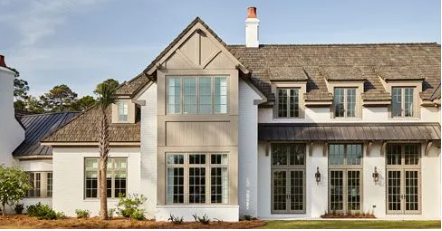
Fire Resistance of a Cedar Shake Roof: What Homeowners Should Know
A cedar shake roof is admired for its natural beauty, durability, and timeless appeal. However, when homeowners consider this roofing option, one of the most common concerns is fire resistance. Because cedar shakes are made from natural wood, many people assume they are highly flammable and unsafe. In reality, modern cedar shake roofing can be significantly more fire-resistant than most homeowners realize especially when the right materials, treatments, and installation methods are used. Understanding how fire resistance works is essential before deciding whether a cedar shake roof is right for your home.
Why Fire Resistance Matters in Roofing
Fire resistance is a critical factor in protecting your home, particularly in areas prone to wildfires, high heat, or dry conditions. Roofing materials play a major role in how a fire spreads because the roof is often the first part of a home exposed to airborne embers. A fire-resistant roof can slow or prevent flames from penetrating the structure, giving firefighters more time to respond and reducing overall damage.
Are Cedar Shake Roofs Naturally Fire-Resistant?
Untreated cedar shake roof are combustible, which means they can catch fire if exposed to flames or embers. However, cedar has natural oils that allow it to burn more slowly than some other types of wood. While this characteristic alone does not make it fire-resistant, it does provide a foundation for improvement through treatments and manufacturing standards.
Because of fire concerns, many modern cedar shake products are designed to meet strict fire safety requirements that were not common decades ago.
Fire-Retardant Treatments for Cedar Shakes
One of the most important advancements in cedar shake roofing is the use of fire-retardant treatments. These treatments are applied during manufacturing and are designed to reduce the wood’s ability to ignite and spread flames.
Fire-retardant cedar shakes:
- Slow down flame spread
- Reduce heat release
Help prevent embers from igniting the roof surface
These treated shakes can achieve a Class A or Class B fire rating, depending on the product and installation method. Class A is the highest fire-resistance rating available for roofing materials.
It’s important to note that fire-retardant treatments can wear down over time, especially in wet or humid climates. Periodic inspections help ensure the roof continues to perform as intended.
Understanding Fire Ratings for Cedar Shake Roofs
Fire ratings are determined through standardized testing and indicate how well a roofing material resists fire exposure.
- Class A: Highest level of fire resistance; best protection against severe fire exposure
- Class B: Moderate fire resistance
- Class C: Basic fire resistance
Many homeowners are surprised to learn that a properly treated and installed cedar shake roof can meet Class A standards, making it comparable to some non-combustible roofing materials in terms of fire performance.
The Role of Installation in Fire Resistance
Even the most fire-resistant cedar shakes will not perform well if installed incorrectly. Installation plays a critical role in overall fire safety.
Key installation factors include:
- Use of fire-rated underlayment
- Proper spacing to reduce heat buildup
- Correct fastening techniques
- Compliance with local fire and building codes
Professional installation by contractors experienced with cedar shake roofing is essential for meeting fire-resistance standards and maintaining warranty coverage.
Maintenance and Fire Safety
Ongoing maintenance also affects the fire resistance of a cedar shake roof. Debris such as leaves, pine needles, and branches can accumulate on the roof and create a fire hazard by providing easily ignitable material.
To improve fire safety:
- Keep the roof surface clean and debris-free
- Trim overhanging branches near the roof
- Ensure gutters are regularly cleaned
- Inspect shakes for damage or deterioration
Proper ventilation is also important, as trapped heat and moisture can weaken wood over time, making it more vulnerable to fire.
Local Building Codes and Restrictions
Some regions especially those prone to wildfires have strict regulations regarding roofing materials. In these areas, untreated cedar shake roofs may be prohibited. However, fire-retardant-treated cedar shakes that meet Class A standards are often allowed.
Before choosing a cedar shake roof, homeowners should:
- Check local building codes
- Confirm fire-rating requirements
- Verify approved product lists
Working with a knowledgeable contractor can help navigate these regulations and ensure compliance.
Cedar Shake Roof vs. Other Fire-Resistant Materials
Compared to materials like metal, clay tile, or slate, cedar shakes generally require more effort to achieve high fire resistance. However, they offer advantages those materials may not, such as superior insulation, lighter weight, and unmatched natural appearance.
For homeowners who prioritize aesthetics but still want fire safety, treated cedar shake roofing can provide a balanced solution when installed and maintained correctly.
Conclusion
Fire resistance is a valid concern when considering a cedar shake roof, but modern advancements have made this roofing option far safer than many people expect. Fire-retardant treatments, high fire ratings, proper installation, and regular maintenance all play crucial roles in improving performance. When homeowners understand these factors and follow local regulations, a cedar shake roof can be both a beautiful and responsible choice. With the right precautions, it’s possible to enjoy the timeless appeal of cedar shakes without compromising on fire safety.


