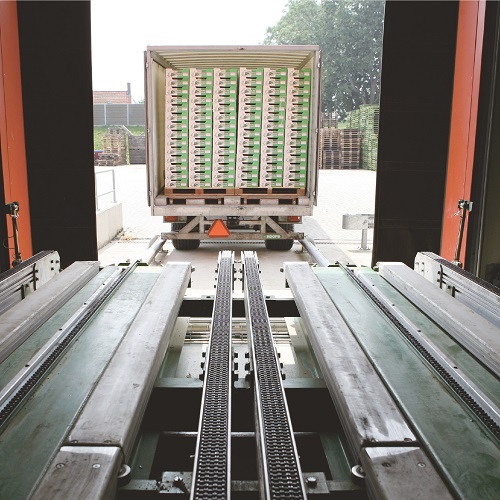
Warehouse Sorting Systems for Smarter Warehouse Operations
In today’s fast-paced logistics and supply chain environment, efficiency and accuracy are no longer optional—they are essential. Warehouses face increasing pressure to process more orders in less time while minimizing errors and operational costs. To meet these challenges, many organizations are turning to innovative solutions that streamline the flow of goods from receipt to dispatch. One of the most impactful technologies transforming modern warehouses is the use of warehouse sorting systems.
Understanding Warehouse Sorting Systems
At its core, a warehouse sorting system is designed to categorize, direct, and manage inventory automatically within a warehouse facility. These systems can handle a wide range of items, from small consumer goods to large pallets, and are engineered to improve operational efficiency while reducing the dependence on manual labor.
Sorting systems work by integrating advanced technologies, including conveyor belts, sensors, and software algorithms, to ensure that products are routed accurately to the correct location. This minimizes misplacements, reduces errors in order fulfillment, and allows staff to focus on higher-value tasks.
The Evolution of Warehouse Sorting
Traditional warehouses relied heavily on manual sorting processes, which were labor-intensive and prone to errors. Workers would physically move items from one location to another, often using hand carts or forklifts. While this approach can work for smaller operations, it becomes increasingly inefficient as order volumes grow.
With the introduction of automated sortation conveyor systems, warehouses have experienced a significant transformation. These systems enable high-speed sorting and routing of items with minimal human intervention. The use of barcode scanners, RFID readers, and automated chutes ensures that each product reaches the correct destination swiftly and accurately.
Key Components of Modern Sorting Systems
Modern warehouse sorting systems comprise several interrelated components, each designed to optimize different aspects of warehouse operations:
-
Automated Sortation Conveyor Systems: These are the backbone of the sorting process, enabling continuous movement of goods through the facility. Conveyor systems can be configured to handle items of various sizes and weights, adapting to the unique needs of the warehouse.
-
Sensors and Scanners: Advanced optical scanners, RFID tags, and weight sensors help identify and track products in real-time. This data integration ensures that the sorting process is both precise and traceable.
-
Software Integration: Warehouse Management Systems (WMS) and other software platforms allow for seamless coordination between sorting hardware and operational requirements. These systems can optimize routes, predict bottlenecks, and generate actionable reports for management.
Benefits of Implementing Sorting Systems
The adoption of warehouse sorting systems provides tangible benefits for warehouses looking to stay competitive:
-
Increased Efficiency: Automation significantly reduces the time it takes to move items from receiving to storage or shipping. This accelerates order processing and allows warehouses to handle higher volumes without expanding the workforce.
-
Improved Accuracy: By minimizing human error, sorting systems ensure that orders are fulfilled correctly. Accurate deliveries improve customer satisfaction and reduce costly returns.
-
Scalability: Modern sorting systems can be customized to meet the evolving needs of a warehouse. As business grows, additional modules or upgrades can be integrated seamlessly.
-
Cost Savings: While the initial investment in automated sortation conveyor systems can be substantial, long-term savings are realized through reduced labor costs, lower error rates, and improved throughput.
Applications Across Industries
The versatility of warehouse sorting systems makes them suitable for a broad range of industries. E-commerce fulfillment centers, retail distribution hubs, and third-party logistics providers all benefit from automated sorting technologies. Additionally, sectors such as pharmaceuticals, food and beverage, and manufacturing use these systems to maintain precise inventory control and ensure timely delivery of products.
For example, e-commerce warehouses with thousands of SKUs rely heavily on automated sorting to handle fluctuating order volumes, especially during peak shopping seasons. Similarly, cold storage facilities in the food industry use conveyor-based sorting systems to efficiently manage temperature-sensitive products while maintaining high operational accuracy.
Future Trends in Warehouse Sorting
As technology continues to evolve, warehouse sorting systems are becoming smarter and more adaptable. Artificial Intelligence (AI) and machine learning are increasingly being integrated to predict demand patterns and optimize sorting routes in real-time. Robotics and autonomous mobile robots (AMRs) are also enhancing the flexibility of warehouse operations, enabling goods to move efficiently without being restricted to fixed conveyor paths.
Furthermore, sustainability is becoming a key consideration. Energy-efficient conveyors and eco-friendly materials are now being incorporated into sorting systems to reduce the environmental footprint of warehouse operations.
Choosing the Right System for Your Warehouse
Selecting the appropriate automated sortation conveyor systems depends on several factors, including the size of the facility, the type of products handled, and the volume of daily operations. Key considerations include:
-
Throughput capacity and speed requirements
-
Item dimensions and weight variations
-
Integration with existing Warehouse Management Systems
-
Maintenance and support services
Working with experienced solution providers can help warehouses design systems that are tailored to operational goals and future growth plans.
Conclusion
In the rapidly evolving logistics landscape, efficiency and accuracy are paramount. Warehouse sorting systems offer a strategic advantage by automating the movement and categorization of goods, reducing errors, and accelerating order fulfillment. With the integration of automated sortation conveyor systems, warehouses can optimize operations, scale effectively, and meet customer expectations in a competitive marketplace.


