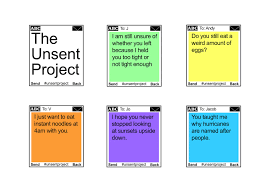
Unsent Message Project: Where Words Find Freedom Without Being Sent
In a world driven by instant communication, there’s something quietly powerful about the messages we never send. The unsent message project represents a digital sanctuary for those unfinished sentences, lingering confessions, and emotional truths that were typed—but never delivered.
Created by conceptual artist Rora Blue, this global art initiative invites people to anonymously submit messages they once wished to send to their first love. What began as a creative exploration of emotion and color has grown into a massive archive of vulnerability, memory, and reflection.
It is not just a collection of anonymous notes. It is a cultural mirror.
What Is the Unsent Message Project?
The unsent message project is an interactive digital art platform that gathers anonymous messages addressed to first loves. Each submission is paired with a color chosen by the sender—symbolizing how they emotionally associate with that person.
Unlike traditional confession spaces, this platform integrates visual storytelling. The colors—red, blue, yellow, pink, black—transform written emotion into an artistic spectrum. The result is a mosaic of human experience displayed through both language and hue.
There are no usernames. No likes. No comment threads.
Only raw emotion.
Why It Connects With Millions
Almost everyone has experienced the hesitation before pressing “send.” A late-night apology. A confession drafted and deleted. A goodbye never spoken.
The unsent message project resonates because it normalizes this universal experience. It tells people: You are not alone in what you didn’t say.
I once wrote a message I knew would reopen old wounds, paused for a long time, and decided silence was wiser—seeing similar sentiments expressed anonymously felt like emotional validation without confrontation.
This platform thrives because it provides:
-
Emotional release without risk
-
Shared experience without exposure
-
Reflection without judgment
It transforms silence into expression—safely.
The Emotional Psychology Behind Unsent Messages
Writing is widely recognized as a therapeutic practice. Expressive writing can reduce stress, clarify thoughts, and improve emotional resilience. The unsent message project leverages this principle at scale.
Instead of impulsively reaching out to someone who may not respond—or worse, respond negatively—individuals redirect their feelings into a symbolic act of closure.
Consider this real-world scenario:
A young professional ends a long-term relationship without receiving an explanation. Months later, unresolved feelings resurface. Instead of reopening communication, they write everything they wish they could say and submit it anonymously. The emotional intensity softens. The need for validation decreases. The message exists—but no damage is done.
This is where the platform’s value becomes clear. It provides release without reopening conflict.
How It Stands Apart From Other Expression Platforms
Many digital platforms allow emotional sharing. However, the unsent message project occupies a unique space between art, anonymity, and community.
| Feature | Unsent Message Project | Social Media Confessions | Private Journaling |
|---|---|---|---|
| Identity Visibility | Fully anonymous | Public identity | Completely private |
| Emotional Safety | High | Moderate to low | High |
| Artistic Element | Color-based symbolism | None | None |
| Community Feeling | Shared archive | Social interaction | Isolated reflection |
| Risk of Direct Impact | None | Possible backlash | None |
Unlike social media platforms such as Instagram or TikTok, this initiative removes performance pressure. There’s no algorithm rewarding drama. No need to impress an audience.
Unlike journaling, it offers collective connection. Readers often scroll through messages and see fragments of their own story reflected back.
The Artistic Foundation
At the heart of the project lies a creative philosophy: emotions are not monochrome.
Founder Rora Blue conceptualized the use of color as emotional symbolism. When contributors choose a color for their message, they translate abstract feelings into visual meaning.
-
Red may signal passion or anger.
-
Blue may represent sadness or longing.
-
Yellow might express warmth or nostalgia.
-
Black could reflect grief or finality.
This artistic dimension elevates the project beyond a typical confession board. It becomes both emotional documentation and visual art installation.
Cultural Relevance in the Digital Age
Modern relationships are deeply intertwined with messaging apps and text-based communication. Breakups often happen through screens. Apologies are typed. Confessions are sent—or left unsent.
The unsent message project feels uniquely aligned with this era.
Decades ago, unsent letters were folded into drawers. Today, they are archived digitally, accessible to anyone searching for emotional solidarity.
The platform has gained visibility across social channels, where users share excerpts and discuss the emotional depth behind submissions. Its viral nature reflects a cultural shift toward authenticity and vulnerability.
A Distinctive Value That Sets It Apart
What truly distinguishes the unsent message project is its ability to merge three powerful elements:
-
Emotional authenticity
-
Creative expression
-
Safe anonymity
Most platforms offer one or two of these—but rarely all three simultaneously.
It does not attempt to reconcile relationships.
It does not encourage confrontation.
It does not monetize emotional drama.
Instead, it provides a neutral container for feelings that otherwise linger in silence.
This combination transforms it from a simple website into a meaningful emotional archive.
Closure Without Response
One of the most profound lessons embedded within the unsent message project is this: closure does not require a reply.
We often believe healing depends on the other person’s acknowledgment. Yet, many submissions reveal that expressing feelings—even anonymously—creates an internal shift.
The power lies not in being heard by the intended recipient, but in finally saying what was held inside.
That subtle distinction changes everything.
Ethical Considerations and Moderation
Maintaining a safe space for emotional vulnerability requires thoughtful moderation. While submissions are anonymous, content guidelines help ensure that messages remain aligned with the project’s artistic and reflective purpose.
This balance fosters trust and sustainability. People feel safe contributing because the platform preserves its integrity.
The Future of Emotional Expression Platforms
As digital communication continues evolving, emotional archiving may become increasingly common. Projects like this demonstrate that vulnerability can coexist with technology.
Instead of amplifying outrage or comparison culture, the unsent message project amplifies reflection.
Its growth signals a desire for deeper digital spaces—places where emotion is not curated for perfection, but preserved for honesty.
Conclusion
The unsent message project is more than an online collection of anonymous notes. It is a global emotional canvas where untold stories finally find voice.
By combining anonymity, artistic symbolism, and shared human experience, it offers something rare: emotional release without consequence. In a fast-paced digital culture that pushes instant responses, it gently reminds us that not every message must be delivered to matter.
Sometimes, healing begins the moment we write the words—even if they remain unsent.
FAQs
What is the unsent message project?
It is a digital art initiative where individuals anonymously submit messages they never sent to their first love, often paired with a color symbolizing emotional meaning.
Is participation anonymous?
Yes. Submissions do not publicly display identifying information.
Why are colors used in the project?
Colors represent emotional associations, turning written memories into visual symbolism.
Can reading others’ messages be helpful?
Many people find comfort in recognizing shared emotional experiences. It can foster empathy and self-reflection.
Is this a replacement for therapy?
No. While writing can be therapeutic, it does not replace professional mental health support when needed.
Why has it gained widespread popularity?
Its blend of anonymity, artistry, and emotional authenticity resonates strongly in today’s text-driven relationship culture.


