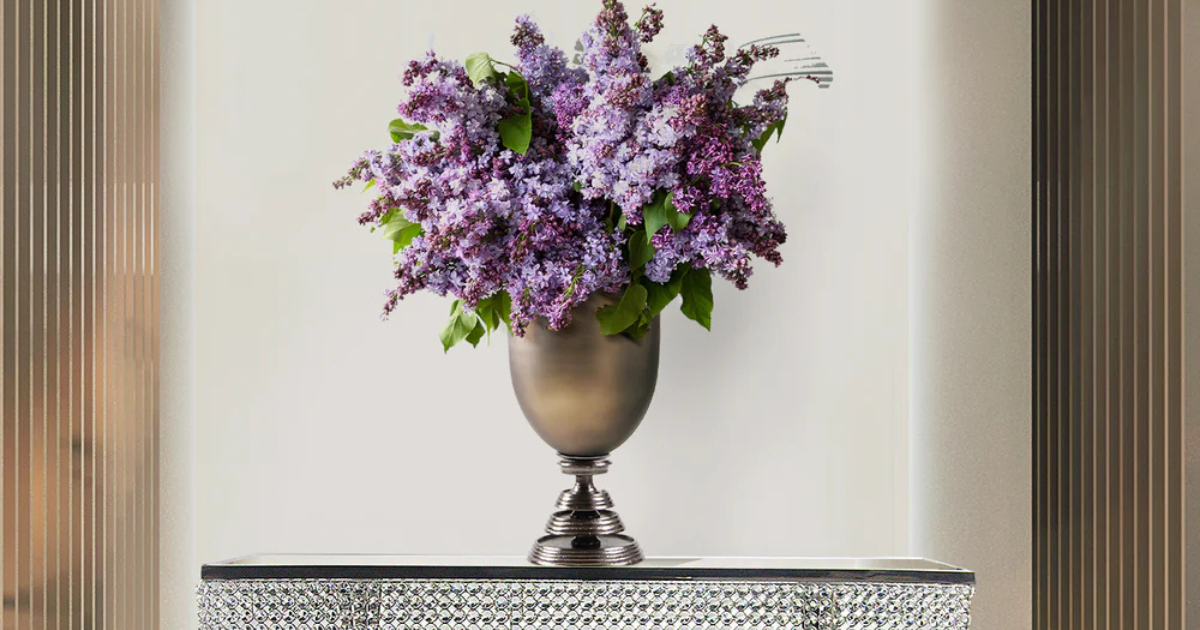
How Glass Pedestal Trends Are Taking Over Modern Wedding Design
Walk into a modern wedding reception, and you’ll notice something different. Tables aren’t just covered in flowers anymore. Arrangements are lifted. Cakes are elevated. Statement pieces rise above eye level. The room feels layered instead of flat.
That shift has a lot to do with one design element, the glass pedestal.
For florists, planners, and event designers, a glass pedestal isn’t just a stand. It solves multiple problems at once, like adding height without bulk, and reflects light without adding color. It creates impact without increasing floral volume.
Let’s look at why glass pedestal designs are leading modern wedding styling and how professionals are using them to shape today’s events.
The Move Toward Height and Dimension in Wedding Design
Modern weddings are less cluttered than they used to be. Couples want cleaner layouts, defined focal points, and intentional spacing. That means designers need a vertical structure.
A glass pedestal creates that structure instantly.
Instead of spreading arrangements wide across tables, designers are building upward. Elevated florals draw attention without crowding the guest space. In large ballrooms, that height keeps décor from getting lost under high ceilings.
This approach feels refined and organized. It also photographs beautifully.
Mirrored Glass Is Replacing Heavy Bases
Heavy metal bases and bulky columns used to dominate formal weddings. Now, mirrored glass pedestals are replacing them. The reason is simple. Reflection adds depth without visual weight.
When candlelight hits a mirrored glass pedestal, it multiplies the glow across the room. Even minimal arrangements appear fuller because the glass reflects stems, blooms, and surrounding décor.
For evening receptions especially, this makes a noticeable difference. The room feels brighter and more polished without adding more product.
Clean Lines Are Winning Over Ornate Designs
Wedding design trends are leaning modern. Think straight edges, sharp corners, and smooth finishes.
A glass pedestal with beveled edges really nails the look. It holds up structured floral displays, geometric shapes, or those simple, pared-down centerpieces. It works just as well under dramatic cascading florals.
Because the design is clean, it adapts easily. That flexibility makes it valuable for event professionals managing multiple client styles in one season.
Alternating Heights Across the Room
Another trend gaining momentum is varied elevation. Instead of identical centerpieces on every table, designers mix standard table arrangements with raised glass pedestal displays. This creates movement across the reception space.
Some tables stay low for intimacy. Others rise for drama. The variation keeps the room visually interesting without breaking cohesion.
Glass pedestals are ideal for this strategy because they don’t introduce extra color. They blend seamlessly while adding height.
Glass Pedestals for More Than Just Florals
Floral designers aren’t the only ones using them. Wedding planners now use glass pedestal stands for:
- Cake displays
- Welcome signage
- Champagne towers
- Sweetheart table framing
- Lounge area styling
Because the material is neutral, it supports everything placed on top without competing for attention.
For visual merchandisers and showroom stylists, this same flexibility applies. A pedestal used in a wedding can later elevate featured products in a retail space.
Making Large Ballrooms Feel Intimate
One of the biggest challenges in wedding design is scale.
Large hotel ballrooms can feel empty even when they’re filled with guests. Low centerpieces often disappear in the space. Tall floral installations alone can strain the budget.
A glass pedestal provides height without requiring oversized arrangements. Designers can build vertically with fewer stems while still filling the visual space.
This makes it easier to balance spending with impact.
Working Smarter with Floral Budgets
Flower prices fluctuate. Logistics add cost. Labor adds pressure.
Using a glass pedestal allows designers to create perceived fullness without increasing floral count. Reflection plays a role here again. The mirrored surface visually doubles elements placed above it.
For florists managing tight margins, this matters. For planners managing client budgets, it offers flexibility. Strong foundations reduce the need for excess.
The Shift Toward Reusable Event Inventory
Event professionals are thinking long term. Instead of purchasing décor for single-use events, many are building inventory collections.
You can use a good glass pedestal over and over, at weddings, fancy corporate events, or even in a shop window. It fits right in because it doesn’t scream any one style. That’s why wholesale buyers and event planners who juggle lots of events each year see it as a smart buy.
Pairing Glass Pedestals with Other Materials
Glass doesn’t need to go solo. Designers mix glass pedestals with wood, metal, or textured pieces for a bit of contrast. A mirrored column combined with natural greenery softens the look. Glass paired with matte black accents feels modern and bold.
Because the base remains neutral, layering becomes easier. This mix keeps wedding designs fresh without straying from a cohesive palette.
Lighting: The Detail That Changes Everything
Lighting design and pedestal choice should work together.
Glass amplifies candlelight and spotlighting. In dim reception settings, this creates a glow without adding more fixtures. During daytime weddings, glass keeps the design light and open instead of heavy.
Designers who test pedestal placement under real venue lighting see the difference immediately.
Why Glass Pedestals Continue to Grow in Demand
The popularity of the glass pedestal isn’t random. It answers real design needs:
- Adds vertical dimension
- Enhances lighting
- Supports modern aesthetics
- Reduces the floral volume pressure
- Works across event types
- Offers long-term reuse value
All those perks really make a difference when you’re handling décor at scale.
Final Thoughts
Modern wedding design is cleaner, more intentional, and more structured than ever before. Height matters. Reflection matters. Versatility matters.
A well-crafted glass pedestal supports all three.
For florists, planners, retailers, and wholesale buyers building event inventory, choosing the right pedestal stand can simplify design decisions while increasing visual impact.
When the foundation is strong, the rest of the design follows naturally.


