When Period Pain Is a Sign of Something More
Patterns That Shouldn’t Be Ignored
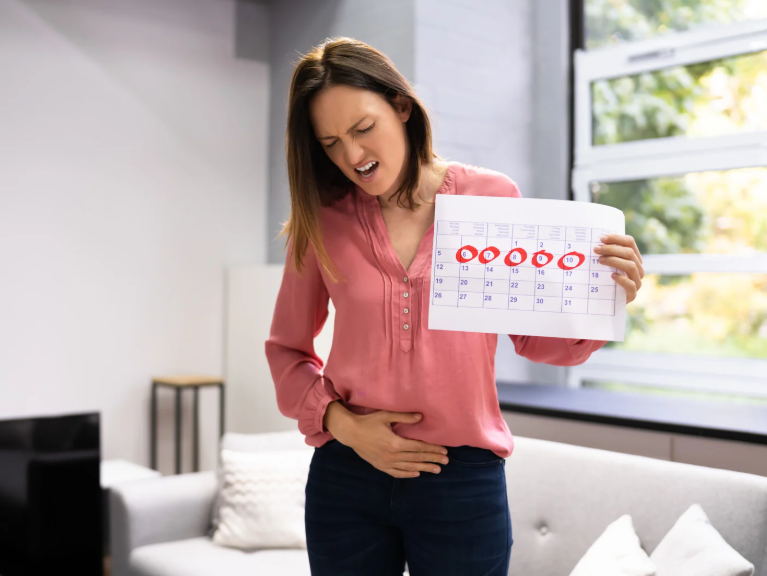
Cramping during periods is common, but pain that interferes with daily life is not something to brush aside. If pain is severe enough to stop you from working, studying, sleeping, or socialising, it may indicate an underlying condition rather than routine discomfort. Pain that worsens over time, starts days before bleeding, or continues well after a cycle ends can also signal that something more is happening in the body.
In many cases, people delay seeking care, assuming discomfort is simply “part of being a woman”. However, ongoing pain may warrant assessment by a healthcare professional such as a gp obstetrician near me, especially when over-the-counter pain relief no longer works or symptoms escalate month after month.
Symptoms That Suggest an Underlying Condition
Not all period pain feels the same, and certain symptoms can point towards medical issues. Heavy bleeding that requires frequent pad or tampon changes, passing large clots, or periods lasting longer than seven days are red flags. Pain accompanied by nausea, vomiting, fainting, or pain during bowel movements should also be taken seriously.
Another concerning sign is pain during or after sexual intercourse, which can be linked to pelvic conditions. Chronic lower back pain or discomfort radiating into the legs during periods may also suggest nerve involvement or deeper pelvic issues that need professional evaluation.
Endometriosis and Chronic Pelvic Pain
Endometriosis is one of the most common yet underdiagnosed causes of severe period pain. It occurs when tissue similar to the uterine lining grows outside the uterus, leading to inflammation, scarring, and intense discomfort. Pain often begins before bleeding and can worsen with each cycle.
People with endometriosis may also experience fatigue, digestive problems, and fertility challenges. Because symptoms vary widely, diagnosis is often delayed for years. Early assessment and tailored management can help reduce pain, slow disease progression, and improve quality of life.
Fibroids, Adenomyosis, and Hormonal Imbalances
Uterine fibroids are non-cancerous growths that can cause heavy bleeding, pressure, and cramping. Adenomyosis, where uterine lining tissue grows into the muscle wall of the uterus, can lead to deep, aching pain and enlarged uterus size. Both conditions often worsen with age and may require imaging tests for diagnosis.
Hormonal imbalances can also intensify pain. Excess oestrogen or irregular hormone fluctuations may cause stronger uterine contractions, leading to severe cramps and heavy flow. Managing hormones through medical guidance can significantly reduce symptoms.
Digestive and Bladder Conditions Linked to Cycle Pain
Sometimes, period pain is not solely reproductive. Conditions such as irritable bowel syndrome, inflammatory bowel disease, or interstitial cystitis can flare during periods due to hormonal changes. This overlap often leads to misdiagnosis, as pelvic pain may be assumed to be purely gynaecological.
Tracking symptoms across cycles can help identify patterns. If pain coincides with bowel or bladder changes, further investigation may be required to rule out non-reproductive causes contributing to monthly discomfort.
When to Seek Professional Support
Persistent pain should never be normalised. If symptoms worsen, change suddenly, or impact mental health, it is time to seek medical advice. A detailed history, physical examination, and appropriate tests can help identify the cause and guide treatment options.
Early intervention may prevent complications such as chronic pain syndromes, anaemia from heavy bleeding, or fertility issues. Support from a trusted healthcare provider allows for personalised care and long-term symptom management.
Managing Daily Life With Ongoing Pain
Living with recurring pain can affect emotional wellbeing, relationships, and productivity. Simple strategies such as heat therapy, gentle movement, and stress management may offer temporary relief, but they are not substitutes for diagnosis. Keeping a pain diary can help healthcare providers understand the severity and timing of symptoms.
Open conversations about menstrual health are essential. Recognising that intense menstrual pain is not something to endure silently empowers individuals to seek help and advocate for their health.
FAQs
Is severe period pain always a sign of a medical condition?
Not always, but pain that is intense, persistent, or worsening should be assessed to rule out underlying issues.
Can period pain affect fertility?
Some conditions linked to severe pain, such as endometriosis, may impact fertility if left untreated.
How long should I wait before seeing a doctor about painful periods?
If pain disrupts daily activities, does not respond to medication, or changes suddenly, it’s best to seek advice promptly.
Are lifestyle changes enough to manage severe period pain?
Lifestyle changes can help mild discomfort, but ongoing or severe pain usually requires medical evaluation and tailored treatment.


