What Are the Essential Sulfates to Avoid if You Want Your Raw Indian Hair to Last Five Years?
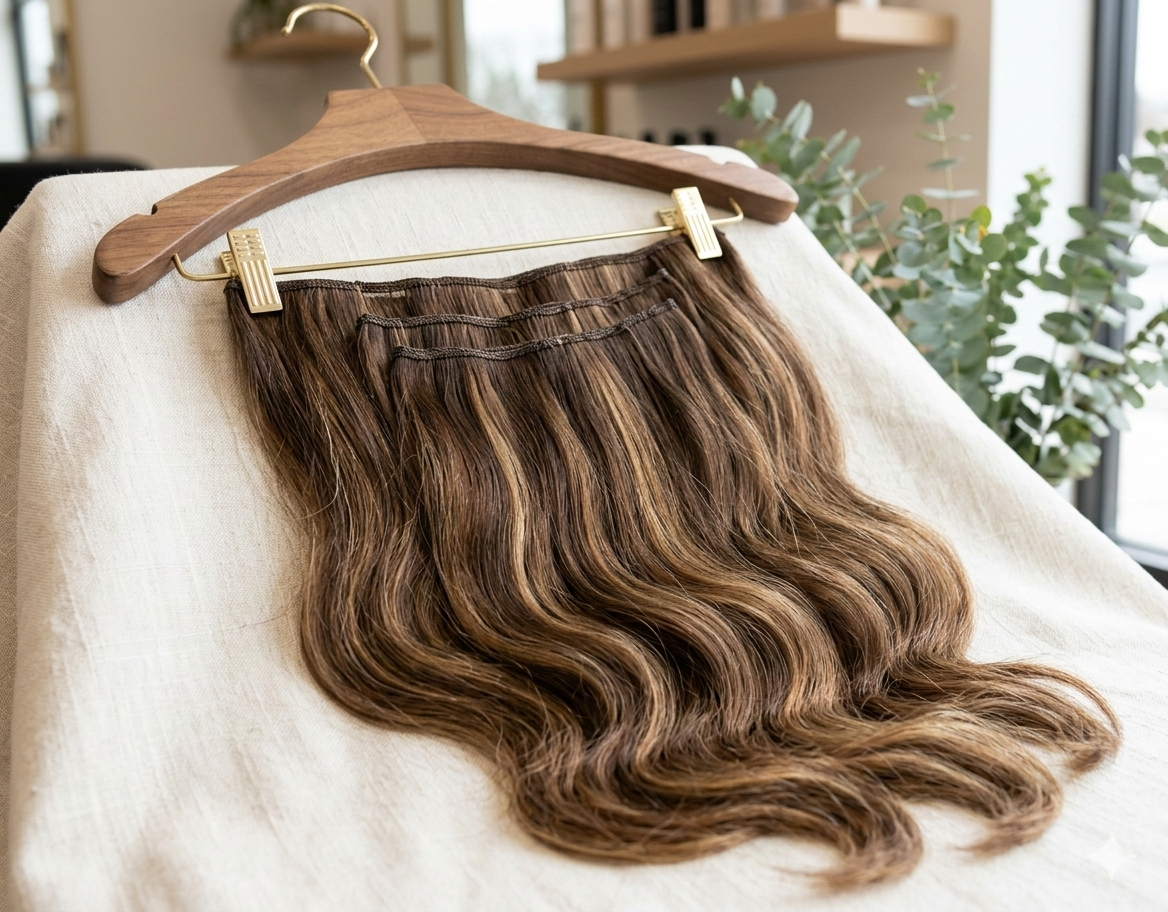
When you invest in Raw Indian Hair, you are purchasing a product that has the potential to last for half a decade if treated with respect. Because this hair is completely unprocessed and still possesses its natural cuticles, its longevity depends heavily on how you maintain its moisture levels. The biggest threat to that lifespan isn't heat or styling; it is the chemical makeup of your cleanser.
Sulfates are powerful detergents used in many shampoos to create a rich lather and strip away oils. While they are effective for cleaning, they can be devastating to high-end hair. To ensure your hair stays soft and manageable for five years, you must know which specific ingredients to keep out of your routine.
The Problem with Sodium Lauryl Sulfate (SLS)
The most common ingredient to avoid is Sodium Lauryl Sulfate. This is a very aggressive surfactant designed to break down grease. On your scalp, your body can produce more oil to compensate for what is lost. However, Raw Indian Hair is no longer attached to a source of natural nutrients.
When SLS is used on these strands, it strips away the essential moisture that keeps the hair flexible. Over time, this leads to a "hollow" hair shaft that becomes brittle and prone to snapping. If you want your hair to survive multiple years of wear, you must avoid this harsh cleanser to keep the internal structure of the hair intact.
Steer Clear of Sodium Laureth Sulfate (SLES)
While often marketed as a "milder" version of SLS, Sodium Laureth Sulfate is still a major concern for long-term hair health. Even though it is slightly less irritating to the skin, it is still highly effective at removing the protective lipid layer of the hair cuticle.
The cuticle is the armor of the hair. Once SLES wears down that armor, the hair becomes porous. Porous hair tangles easily, loses its shine, and eventually begins to shed from the tracks. To maintain the "liquid" luster of your hair for years, choosing a formula that replaces these harsh salts with natural, plant-based cleansers is vital.
+1
Avoid Ammonium Lauryl Sulfate (ALS)
Ammonium Lauryl Sulfate is another high-strength detergent that is often used in "clarifying" shampoos. While it is excellent for removing heavy product buildup, it is far too acidic for regular use on raw hair.
Using ALS on your hair can disrupt the natural pH balance of the strands. When the pH is off, the hair cuticle remains "raised" instead of laying flat. This creates a rough texture that leads to matting. To keep your hair feeling as smooth as the day you bought it, look for pH-balanced, detergent-free alternatives.
The Role of Sodium Myreth Sulfate
This is a less common but equally drying ingredient often found in "budget" salon products. Like its cousins, it is a foaming agent that prioritizes the "soapy" experience over the health of the fiber. For Raw Indian Hair, bubbles do not equal beauty.
High-quality hair cleansers often don't lather as much as drugstore brands because they are filled with oils and conditioning agents rather than salts. Learning to wash your hair with a low-lather, cream-based cleanser will significantly extend the life of your investment by keeping the moisture locked inside the strand where it belongs.
Why "Sulfate-Free" Isn't Always Enough
In the modern market, many labels claim to be sulfate-free but still contain "hidden" drying agents like Sodium C14-16 Olefin Sulfonate. While technically not a sulfate, it is a very strong cleanser that can be just as drying as the ingredients listed above.
Always read the full ingredient list. If the first few ingredients after water are harsh surfactants, put the bottle back. For a five-year lifespan, your hair needs ingredients like coco-glucoside or decyl glucoside, which are derived from sugar and coconut. These cleansers lift away dirt without "smothering" or stripping the hair.
Conclusion
The secret to keeping Raw Indian Hair for five years is simple: moisture is life. By avoiding the "Big Three" sulfates and their aggressive relatives, you prevent the slow degradation of the hair fiber. Treating your hair with gentle, moisturizing cleansers ensures that the cuticles remain flat, the shine remains bright, and the hair remains a part of your beauty collection for years to come.


