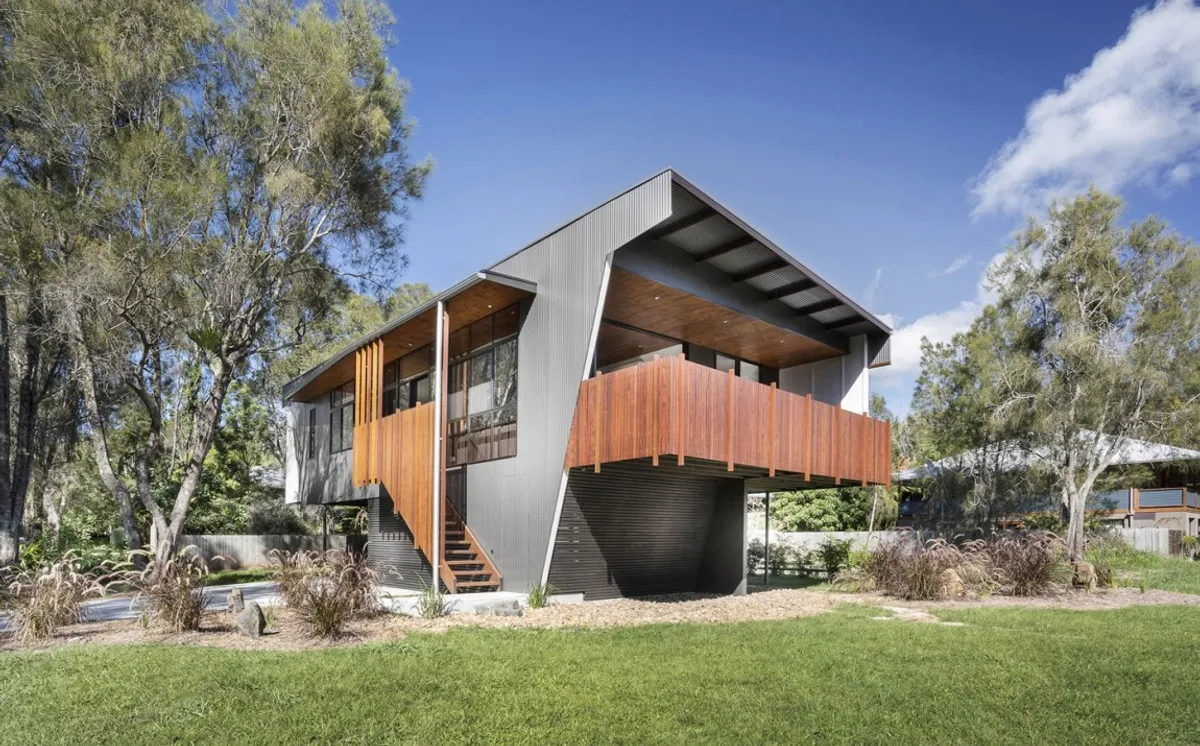
Sustainable Beach House Architecture
Beach houses have long symbolized relaxation, panoramic ocean views, and luxury coastal living. Traditionally, these homes emphasized glass façades, expansive decks, and infinity pools overlooking the sea. However, modern coastal design is evolving. Sustainable beach house architecture is now redefining luxury by combining environmental responsibility, climate resilience, and innovative design.
As rising sea levels, coastal erosion, and extreme weather events become more common, architects are rethinking how beach houses are designed and built. Today’s sustainable coastal homes are not just visually stunning—they are engineered to work in harmony with fragile marine ecosystems.
Designing with the Coast, Not Against It
One of the key principles of sustainable beach architecture is respecting natural landscapes. Instead of altering the environment aggressively, architects design homes that adapt to coastal conditions.
Design strategies include:
-
Elevated foundations to prevent flooding
-
Minimal disruption to dunes and native vegetation
-
Permeable landscaping to protect natural drainage
-
Compact building footprints
Working with the landscape ensures long-term environmental stability.
Elevated & Flood-Resistant Structures
Coastal homes face unique challenges, including storm surges and flooding. Sustainable beach houses are often raised above ground level.
Elevation benefits include:
-
Protection from high tides
-
Reduced flood damage risk
-
Improved airflow beneath the structure
-
Long-term structural durability
Pier foundations and reinforced stilts are common solutions.
Climate-Responsive Materials
Salt air, humidity, and strong winds can damage traditional materials. Sustainable beach architecture prioritizes durability and low maintenance.
Common materials include:
-
Recycled steel frameworks
-
Treated or reclaimed wood
-
Marine-grade glass
-
Fiber-cement siding
-
Natural stone
Using resilient materials reduces repair needs and environmental waste.
Passive Cooling & Natural Ventilation
Beach climates often provide natural breezes. Sustainable design maximizes cross-ventilation to reduce reliance on air conditioning.
Passive cooling techniques include:
-
Operable windows positioned for airflow
-
Open-plan layouts
-
Shaded verandas and overhangs
-
Courtyard-centered designs
These features enhance comfort while lowering energy consumption.
Solar Integration & Renewable Energy
Many sustainable beach houses integrate renewable energy systems.
Common solutions include:
-
Rooftop solar panels
-
Solar-powered water heaters
-
Battery storage systems
-
Smart energy management
Renewable energy reduces dependence on coastal grid systems.
Smart Glass & Light Optimization
Large glass walls are popular in beach homes for ocean views. Sustainable design enhances these features with smart technology.
Advantages include:
-
Low-emissivity glass coatings
-
UV protection
-
Automated shading systems
-
Reduced glare and heat gain
Smart glazing improves energy efficiency without sacrificing aesthetics.
Damon Darling Net Worth, House and Where He Lives Explained
Water Conservation & Coastal Responsibility
Water scarcity and ecosystem protection are critical concerns in coastal regions.
Sustainable beach houses often include:
-
Rainwater harvesting systems
-
Greywater recycling
-
Native drought-resistant landscaping
-
Efficient irrigation systems
Responsible water management preserves local resources.
Green Roofs & Living Landscapes
Green roofs are becoming more common in coastal luxury homes. These vegetated rooftops provide environmental and insulation benefits.
Benefits include:
-
Natural temperature regulation
-
Stormwater absorption
-
Enhanced biodiversity
-
Improved insulation
Living roofs blend architecture with surrounding scenery.
Sustainable Interior Design
Sustainability extends beyond structure to interior spaces.
Eco-friendly interior choices include:
-
Low-VOC paints
-
Recycled wood flooring
-
Natural fiber textiles
-
Energy-efficient lighting
-
Locally sourced materials
Healthy indoor environments support wellness.
SEO by HighSoftware99.com: A New Era of Authority-Driven SEO
Resilience Against Extreme Weather
Climate resilience is central to sustainable coastal design.
Protective measures may include:
-
Impact-resistant windows
-
Reinforced roofing systems
-
Hurricane shutters
-
Elevated mechanical systems
Engineering protects homes from severe storms.
Investment & Long-Term Value
Sustainable beach houses offer strong investment advantages.
Benefits include:
-
Lower operational costs
-
Increased property appeal
-
Climate resilience protection
-
Compliance with future environmental regulations
Eco-conscious design enhances long-term property value.
Balancing Luxury with Responsibility
Modern beach house architecture proves that sustainability does not limit luxury—it enhances it. Infinity pools, outdoor lounges, and panoramic terraces can coexist with renewable energy systems and climate resilience strategies.
Luxury today is defined not only by aesthetics but by intelligent environmental integration.
The Future of Sustainable Coastal Living
As environmental challenges increase, sustainable beach architecture will continue evolving.
Future innovations may include:
-
Floating coastal homes
-
Carbon-neutral construction materials
-
AI-driven climate monitoring
-
Adaptive structural systems
Sustainable design will become the foundation of future beachfront development.
Final Reflection
Sustainable beach house architecture represents a thoughtful evolution of coastal living. By integrating climate-responsive materials, renewable energy systems, water conservation strategies, and resilient structural design, modern beach homes protect both their occupants and their surrounding environment.
Luxury coastal living no longer means excess consumption. Instead, it reflects balance, responsibility, and innovation. As sustainability becomes central to high-end real estate, the most desirable beach houses will be those that preserve the beauty of the coastline while offering comfort, elegance, and long-term resilience.


