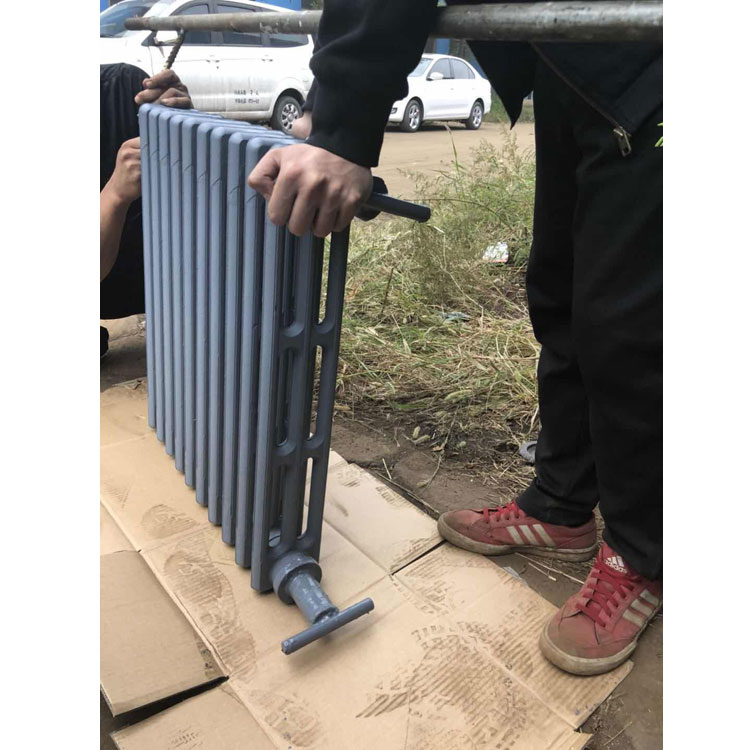
Cast Iron Heater Radiator: A Complete Popular Science Guide to Principles and Applications
In the vast array of heating equipment available today, the cast iron heater radiator holds a unique position. Some view it as an outdated relic, while others consider it a hallmark of quality living. To help you understand this heating terminal more objectively, this article provides a comprehensive popular science interpretation, covering its physical characteristics, technological evolution, and user experience.
More Than Nostalgia: The Modern Transformation
Once associated with bulky, rough-surfaced relics of the past, the image of the cast iron heater radiator has been reshaped by modern technology. Today's models undergo precision grinding and electrostatic spraying, achieving a finish as smooth as any modern radiator. With design elements like rounded corners and decorative patterns, they have evolved from eyesores to statement pieces, often serving as focal points in industrial-style interiors.
Beyond aesthetics, this evolution carries practical weight. As "green building" and "long-life material" concepts gain traction, the cast iron heater radiator's exceptional durability positions it as a resource-conscious choice—a long-term investment in sustainability.
In-Depth Popular Science: Why Do Cast Iron Heater Radiators "Heat Up Slowly and Cool Down Slowly"?
To understand their characteristics, we must start with the fundamental physics involved: specific heat capacity and thermal radiation.
1. Specific Heat Capacity Determines Heat Storage Capability
While the specific heat capacity of cast iron is similar to that of steel, the real difference comes down to mass. Cast iron radiators typically feature a wall thickness of over 3mm, compared to just 1.2-1.5mm for steel panel models. This greater volume of metal means a far larger thermal energy reserve—explaining why they continue radiating warmth long after the boiler stops.
2. Thermal Radiation Creates a More Comfortable Feeling
Radiators dissipate heat through convection and radiation. Steel panel models rely primarily on convection to heat surrounding air. In contrast, a cast iron radiator's heavy mass allows thermal radiation to play a significant role—transferring heat directly via electromagnetic waves, much like standing in warm sunlight. This radiant heat offers a gentler sensation and minimizes air movement that can stir up dust.
Installation, Maintenance, and Common Misconceptions
Several myths about cast iron radiators persist. Let's clarify them.
Myth 1: Cast Iron Heater Radiators Are Prone to Leaking
Correction: Quite the opposite—they are among the least likely to leak. Their tapered thread connections actually tighten over time as oxides fill the gaps. Leaks almost always originate from aged pipes or faulty installation, not the radiator body.
Myth 2: Old Radiators Have Rough Inner Cores and Clog Easily
Correction: Modern casting processes use resin sand cores or metal molds, resulting in smooth internal walls. Reputable manufacturers perform rigorous internal cavity cleaning before shipping. Choose trusted brands to avoid this issue.
Maintenance Tips: Regular Venting and Gentle Cleaning
If you hear gurgling sounds at startup, trapped air requires venting. During the non-heating season, wipe down surfaces with a soft, damp cloth, avoiding harsh cleaners that could damage the paint.
In essence, the cast iron heater radiator is a classic "slow and steady" performer, delivering stable, long-lasting warmth by relying on its substantial mass. In an era that prioritizes speed and disposability, this inherent reliability—born from the material itself—explains why this heating solution has remained relevant for over a century.


