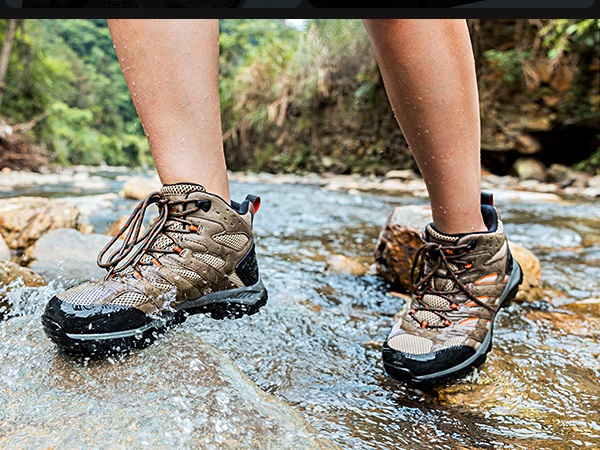
Step Up Your Adventure: Discover the Best Hiking Boots for Every Trail
Hiking is more than just a weekend activity—it's an opportunity to connect with nature, challenge your limits, and recharge your mind. But no matter how scenic the trail, your experience can be made or broken by one essential piece of gear: your hiking boots. Choosing the best hiking boots isn’t just about style; it’s about comfort, support, and durability, ensuring every step you take is safe and enjoyable.
Why the Right Hiking Boots Matter
Your feet are the foundation of your hike. The wrong footwear can lead to blisters, sore muscles, or even serious injuries. The best hiking boots provide ankle support, excellent traction, and weather-resistant materials, so you can confidently tackle rocky paths, muddy trails, or steep inclines. Whether you’re a casual hiker or a seasoned trekker, investing in quality boots will enhance your performance and enjoyment.
Key Features to Look for in the Best Hiking Boots
Comfort & Fit – A proper fit is crucial. Look for boots with cushioned insoles, breathable materials, and enough room for your toes to move comfortably. Always try boots on with the socks you plan to wear while hiking.
Durability – Trails can be harsh. High-quality leather or reinforced synthetic boots resist wear and tear while providing long-lasting support.
Waterproofing – Whether hiking through morning dew or unexpected rain, waterproof boots keep your feet dry and comfortable, preventing blisters and cold feet.
Traction – The sole of your boots should grip slippery rocks and uneven terrain. Vibram or other high-performance rubber soles are excellent for providing stability and confidence on challenging trails.
Weight – Heavy boots may offer extra support, but they can tire your legs over long distances. Consider lightweight options for day hikes and more robust models for multi-day backpacking trips.
Types of Hiking Boots
Day Hiking Boots – Lightweight and flexible, ideal for short trails and casual hiking.
Backpacking Boots – Sturdy, supportive, and built for carrying heavy loads on long treks.
Mountaineering Boots – Designed for extreme conditions, snow, and rocky climbs.
Choosing the right type ensures that your boots match your hiking style and the terrain you plan to explore.
Tips for Breaking in Your Boots
Even the best hiking boots need some time to adapt to your feet. Start with short walks around your neighborhood or local park. Gradually increase distance and terrain difficulty to avoid discomfort or blisters during your first real hike. Using moisture-wicking socks and foot powder can also enhance comfort and reduce friction.
Top Recommendations
While there are countless options on the market, some brands consistently earn praise for quality, durability, and comfort. Look for boots from brands known for their innovation and customer satisfaction—these are often considered the best hiking boots by avid hikers and outdoor enthusiasts.
Final Thoughts
Your choice of hiking boots plays a huge role in the enjoyment and safety of your outdoor adventures. Investing in the best hiking boots means investing in your comfort, stability, and confidence on every trail. Remember, the perfect boots are the ones that fit your feet, suit your hiking needs, and allow you to fully embrace the beauty of the outdoors.


