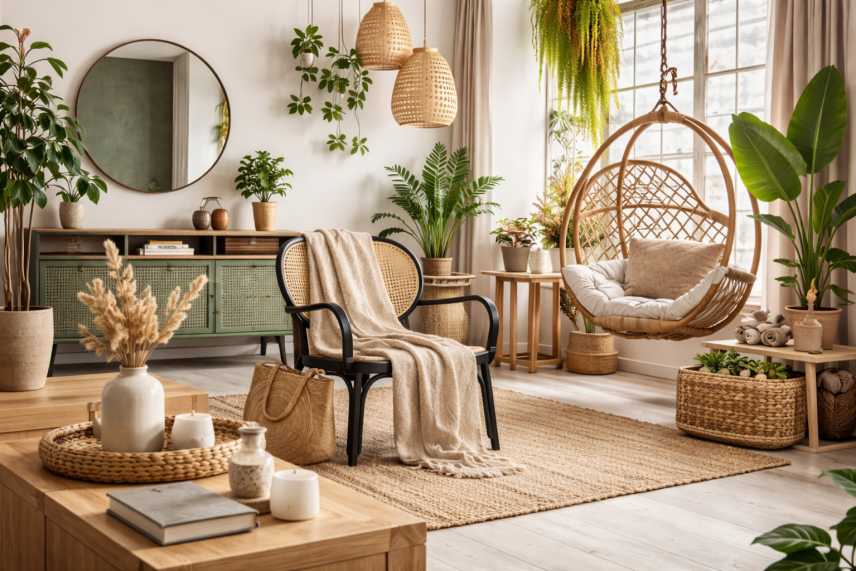
Sustainable Furniture: Eco-Friendly Choices for a Greener Home

Sustainable furniture is more than just a trend—it represents a shift toward environmentally responsible living. By prioritizing eco-friendly materials, ethical production methods, and longevity, sustainable furniture helps reduce waste, conserve resources, and minimize environmental impact. Choosing the right pieces not only enhances your home but also contributes to a healthier planet.
From reclaimed wood to recycled metals, sustainable furniture offers innovative design without compromising style. Consumers are becoming increasingly aware of the importance of sustainable practices, making eco-conscious furniture choices a significant part of modern interior design.
Understanding Sustainable Furniture
Sustainable furniture refers to pieces made using materials and processes that reduce environmental impact. This includes the use of renewable resources, recycled components, and low-impact manufacturing methods. The goal is to create products that are durable, functional, and eco-friendly.
Beyond materials, sustainable furniture often considers the entire lifecycle of the product, from sourcing to disposal. By designing for longevity, these pieces minimize the need for replacements, reducing waste and energy consumption over time.
Benefits of Using Reclaimed Materials
Reclaimed materials, such as salvaged wood or metal, are a cornerstone of sustainable furniture. These materials reduce the demand for new raw resources, helping to preserve forests and minimize mining impacts. Each piece also carries a unique story, adding character to your living space.
Using reclaimed materials often requires less energy to process than new materials. This energy efficiency, combined with reduced landfill waste, makes reclaimed furniture a practical and eco-conscious choice for environmentally aware homeowners.
Eco-Friendly Manufacturing Practices
Sustainable furniture brands often implement eco-friendly manufacturing practices. This includes reducing emissions, conserving water, and using non-toxic finishes and adhesives. By minimizing harmful processes, manufacturers contribute to cleaner air and safer work environments.
Additionally, ethical labor practices are a key aspect of sustainability. Ensuring fair wages and safe working conditions for artisans and factory workers reinforces the social responsibility side of sustainable furniture production.
The Role of Durability and Longevity
Durable furniture is inherently sustainable because it lasts longer, reducing the frequency of replacement. Investing in high-quality materials and craftsmanship ensures that pieces remain functional and aesthetically pleasing for years.
Longevity also reduces the environmental footprint associated with manufacturing, transportation, and disposal. Choosing timeless designs and sturdy construction helps homeowners align their purchases with sustainable living principles.
Incorporating Modern Design and Sustainability
Sustainable furniture does not compromise on design. Modern eco-friendly pieces blend aesthetics and functionality, offering stylish solutions without harming the environment. Designers now experiment with innovative materials, such as bamboo, cork, and recycled plastics.
These creative approaches allow homeowners to create visually appealing interiors while making responsible choices. By integrating sustainable furniture, a room can become both fashionable and environmentally conscious.
How to Choose Sustainable Furniture for Your Home
When selecting sustainable furniture, consider factors like material origin, durability, and manufacturing practices. Look for certifications such as FSC (Forest Stewardship Council) or GREENGUARD, which indicate responsible sourcing and low chemical emissions.
Second-hand or vintage furniture is another sustainable option, reducing demand for new production. Combining careful selection with mindful consumption ensures that your furniture choices positively impact both your home and the environment.
Conclusion
Sustainable furniture represents a meaningful step toward greener living. By choosing materials wisely, supporting ethical manufacturing, and prioritizing durability, homeowners can create stylish spaces that align with environmental values.
Adopting sustainable furniture is more than an aesthetic choice—it is a commitment to the planet, ensuring that future generations inherit a healthier, more responsible world.


