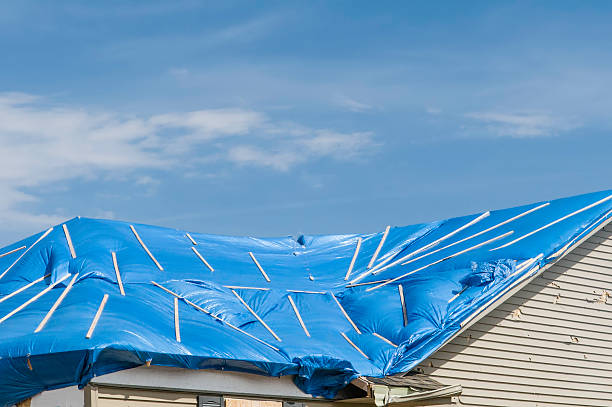
Temporary Roofing Systems: A Complete Guide
Temporary roofing systems are essential solutions in modern construction, renovation, and emergency repair projects. They provide short-term protection to buildings, materials, and workers from harsh weather conditions such as rain, wind, and extreme sunlight. These systems are widely used across residential, commercial, and industrial sites to ensure uninterrupted work and safety.
What Are Temporary Roofing Systems?
Temporary roofing systems are portable and flexible structures designed to cover open or exposed areas of a building. They are commonly installed using scaffolding frameworks and durable sheeting materials like PVC or polyethylene. These roofs act as a protective barrier during construction, demolition, or repair work.
Key Benefits of Temporary Roofing Systems
One of the biggest advantages of temporary roofing is weather protection. Construction projects often face delays due to rain or storms, but with a temporary roof in place, work can continue without interruption. This increases efficiency and helps meet deadlines.
Safety is another major benefit. Workers are protected from slippery surfaces and falling debris caused by weather conditions. Additionally, building materials such as wood, cement, and equipment remain dry and undamaged.
Temporary roofing systems are also cost-effective. Instead of halting work and incurring losses, contractors can continue operations, saving both time and money. These systems are easy to install and dismantle, making them highly convenient.
Common Types of Temporary Roofing
There are several types of temporary roofing systems available depending on project requirements. Scaffold roof systems are the most common, offering strong support and flexibility. Shrink wrap roofing is another option, ideal for creating airtight and waterproof coverings. Tarpaulin sheets are also widely used for smaller or short-term projects.
Applications of Temporary Roofing
Temporary roofing systems are used in various industries. In construction, they protect buildings during renovation or new builds. In industrial settings, they safeguard machinery and materials. They are also used in emergency situations, such as after storms or fires, to prevent further damage.
Conclusion
Temporary roofing systems are a practical and reliable solution for protecting construction sites and ensuring project continuity. With benefits like weather protection, safety, and cost savings, they have become an essential part of modern building practices. Whether for small repairs or large-scale construction, temporary roofing offers the flexibility and security needed to get the job done efficiently.


