Heat Stroke and Electrolytes: Why Testing Matters
What Is Heat Stroke?
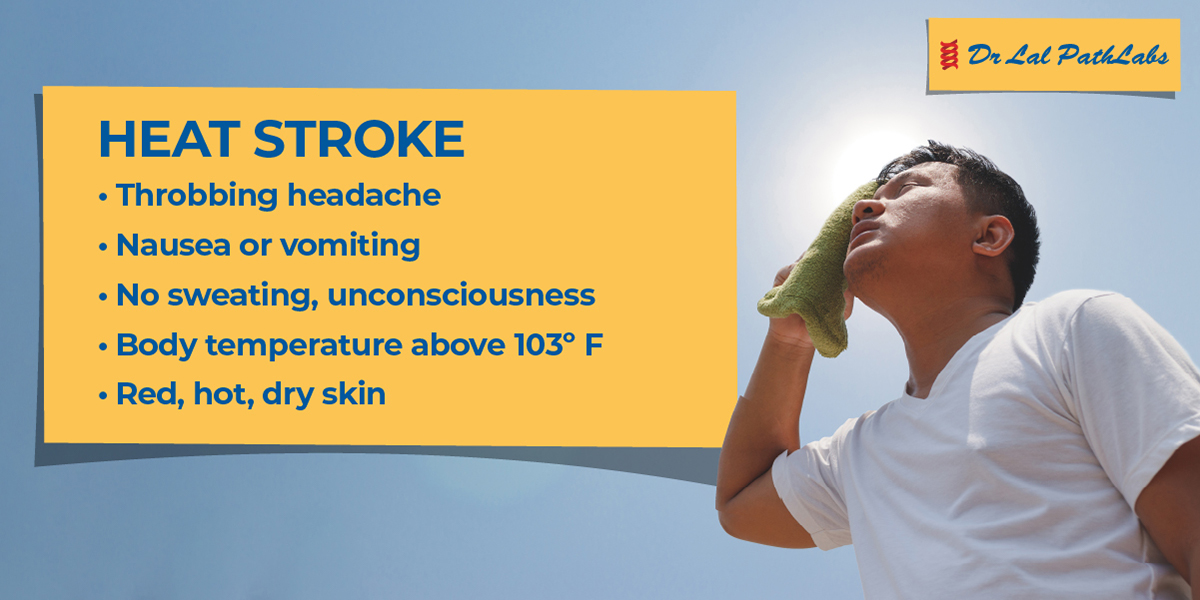
Heat stroke is a severe heat-related condition caused by prolonged exposure to high temperatures. It leads to a rapid rise in body temperature and can cause symptoms like dizziness, confusion, nausea, rapid heartbeat, and even unconsciousness if not treated in time.
Role of Electrolytes in the Body
Electrolytes such as sodium, potassium, and chloride are essential for maintaining fluid balance, nerve function, and muscle activity. During extreme heat, excessive sweating causes the body to lose these vital minerals, increasing the risk of dehydration and heat stroke.
Importance of Electrolyte Test
An electrolyte test is a simple blood test that measures the levels of key minerals in the body. It helps detect imbalances caused by dehydration, heat stroke, or other health conditions. Early detection ensures timely treatment and proper hydration management.
Prevention Tips
To reduce the risk of heat stroke, drink plenty of fluids, avoid direct sun exposure during peak hours, wear light clothing, and replenish electrolytes through balanced hydration. Regular monitoring can help maintain overall health during hot weather.


