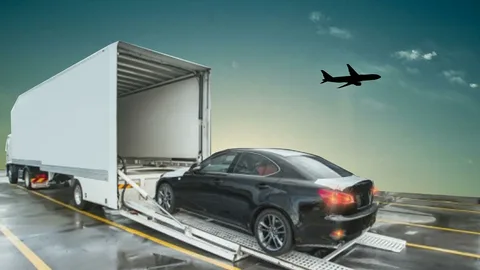
USA to UK Shipping: Your Ultimate Guide to Moving a Car Across the Ocean
There is a quiet satisfaction that comes with seeing your own car roll off a transporter on foreign soil. The familiar steering wheel, the worn seat fabric, the particular hum of the engine. It feels like home, even thousands of miles away. But getting that vehicle from an American driveway to a British street is not a simple task. It requires knowledge, patience, and a clear understanding of a process that spans two continents. For anyone in the car shipping business, explaining the journey of USA to UK Shipping is about more than logistics. It is about giving clients confidence that their prized possession will arrive safely, legally, and on time.
Why People Ship Cars Across the Atlantic
The reasons are as varied as the vehicles themselves. A young professional accepts a promotion in London and wants the reliability of their own sedan rather than navigating an unfamiliar used car market. A collector wins an online auction for a low mileage pickup truck from Arizona and needs it delivered to a barn in the English countryside. A military family receives relocation orders to an RAF base and refuses to leave behind the minivan that has carried their children through countless school runs. A retiree dreams of exploring the Scottish highlands in the same convertible they have owned for twenty years. Each of these scenarios shares one critical need. Safe, professional, and legal transport from the United States to the United Kingdom.
The Two Paths Across the Ocean
When discussing USA to UK shipping with a client, the first major decision revolves around how the car will actually cross the water. The most common method is known as roll on, roll off. In this process, the vehicle is driven directly onto a specialized ocean vessel at a US port, secured alongside hundreds of other cars, and rolled off at a UK terminal such as Southampton, Liverpool, or Bristol. This approach is efficient and widely available. It works beautifully for standard sedans, SUVs, trucks, and any vehicle that runs and drives. However, the car remains exposed to the marine environment. Salt air can find its way into small crevices. Personal belongings cannot remain inside. And the vehicle shares the voyage with all types of wheeled cargo.
The alternative is container shipping, which offers a completely different level of protection. A twenty foot steel container becomes a private, lockable garage for the duration of the voyage. Once the doors are sealed, the car is shielded from weather, theft, and accidental contact with other cargo. This method is ideal for classic cars, luxury vehicles, exotic imports, or any automobile where cosmetic perfection is essential. There is even space to store soft luggage, tools, or spare parts alongside the vehicle. As a car shipping professional, your role is to help clients weigh the trade offs. Speed and affordability against security and peace of mind.


