Running Track Curing Time: When to Use?
Synthetic running tracks are everywhere — schools, stadiums, parks, and sports centers. They feel good to run on, they last a long time, and they help protect athletes during training and competition.
But a big question comes up again and again: are they safe?
The short answer: yes, if they are made with the right materials and installed the right way.
What Makes a Running Track Safe?
A running track is safe when three things are done right:
- 1.Good raw materials — clean and certified
- 2.Proper manufacturing — following safety standards
- 3.Correct installation — giving the surface enough time to cure
If any of these three steps is skipped or done poorly, problems can appear.
What Can Go Wrong With Cheap Tracks?
Not all running tracks are the same. Some low-cost products cut corners. Here are the most common issues.
1. Unpleasant Smell From Low-Quality Materials
Some cheap track materials use strong solvents that release unpleasant smells, especially in hot weather. These substances are called VOCs (volatile organic compounds).
You may have seen news about school tracks that smell bad on sunny days. That is VOC off-gassing.
Good manufacturers now use water-based formulas. This makes the track much safer and smell-free.
2. Impurities in Rubber
Most synthetic tracks use EPDM rubber granules. Good EPDM is clean. But cheap EPDM may use low-quality color pigments or recycled fillers. These can contain small amounts of unwanted impurities like metal particles.
This is a bigger concern for schools and kindergartens, where children touch and sit on the surface often.
3. Rushed Installation
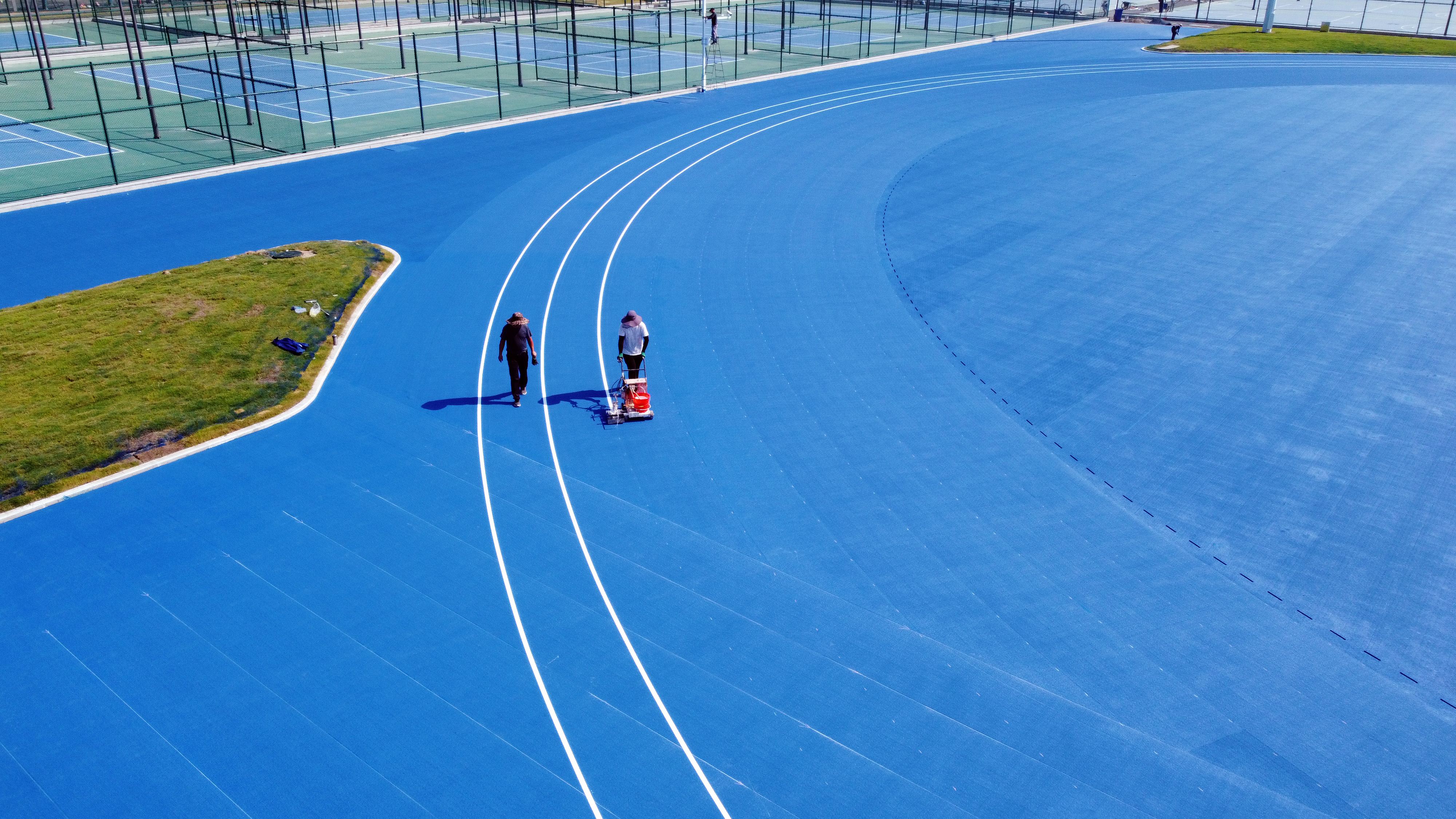
A polyurethane track needs time to dry and harden — this is called curing. If the installer rushes this step, the surface can still release unpleasant smells even after the project is "finished."
This is not always a material problem. It is often an installation problem. But experienced contractors know how to avoid it.
Short-Term Issues vs. Long-Term Safety
When poor materials are used, you usually notice problems early:
- Unpleasant material smell
- Surface sensitivity for some users
- Color fading
When good materials are used and the track is installed properly, the surface should be fully safe before anyone uses it.
Over the long term, a certified track stays stable, handles weather well, and is safe for daily use — year after year.
Where to Be Most Careful
Extra care is needed when the track is for places where children or large crowds use it every day:
- Schools
- Kindergartens
- Public stadiums
In these cases, always choose certified materials and experienced suppliers.
How to Choose a Safe Running Track: Simple Checklist
If you are buying a running track, here is what to check.
✅ Ask for These Documents
- Material test reports from a third-party lab
- Environmental certificates (REACH, RoHS, EN standards, or World Athletics certification)
- Product specification sheets
- Photos or references from past projects
If a supplier cannot give you these, think twice.
✅ Check the Installation Plan
A good supplier should provide:
- Step-by-step installation instructions
- Technical data sheets
- A clear curing timeline
- Quality inspection reports after installation
✅ Test Before You Accept
Before you sign off on the project:
- Make sure the track had enough curing time
- Make sure the area was well ventilated during curing
- Ask for third-party testing results — especially for school projects
This is normal practice. Any good supplier will not push back on this.
Price vs. Quality: What Matters More?
It is easy to pick the cheapest option. But cheap tracks often cost more in the long run — because of repairs, complaints, or even safety concerns.
When comparing suppliers, look at these things first:
- Is the material stable? Will it hold up under sun, rain, and heavy use?
- Is it environmentally safe? Can you say with confidence that it meets safety standards?
- Will it last? Does it keep its color, grip, and cushion after a few years?
A good track is an investment. It keeps athletes safe, reduces your risk, and lasts for many years without problems.
The Bottom Line
Synthetic running tracks are safe when they are made and installed the right way. The key is simple:
- Choose suppliers who use certified, tested materials
- Make sure the installation is done by experienced professionals
- Never let price alone decide when safety matters
Do these three things, and you will have a track that is safe, durable, and good for everyone who uses it.


