How to Test NFC RHow to Test NFC RFID Reader Compatibility with Your Smartphone
You bought an NFC RFID reader to scan loyalty cards or inventory tags with your phone. You plug it in, open an app… and nothing. No beep, no scan, no clue why. Before you yeet the reader into the trash, let’s run a dead-simple test to figure out if your phone’s the problem—or the hardware. Spoiler: It’s usually the phone.
1. What You’ll Need
- NFC RFID Reader: We’ll use Cykeo’s mobile-compatible model as an example.
- Smartphone: Android 8+ or iPhone 7+ (older models often lack full NFC support).
- USB-C/Lightning Adapter: For wired readers (Bluetooth models skip this).
- 5 NFC Tags: Stickers, cards, or product tags.
Besides frequency compatibility, the performance of the antenna for RFID communication also affects reading distance and signal stability. A poorly designed antenna may cause weak detection or inconsistent scanning results, especially when testing with different smartphone models. In addition, the quality and chip sensitivity of each RFID tag can influence how quickly the phone recognizes the tag. Using high-quality RFID tags with optimized antenna design usually provides a more stable testing experience during compatibility checks.
2. Step 1: Check Your Phone’s NFC Chip
a. Android Phones
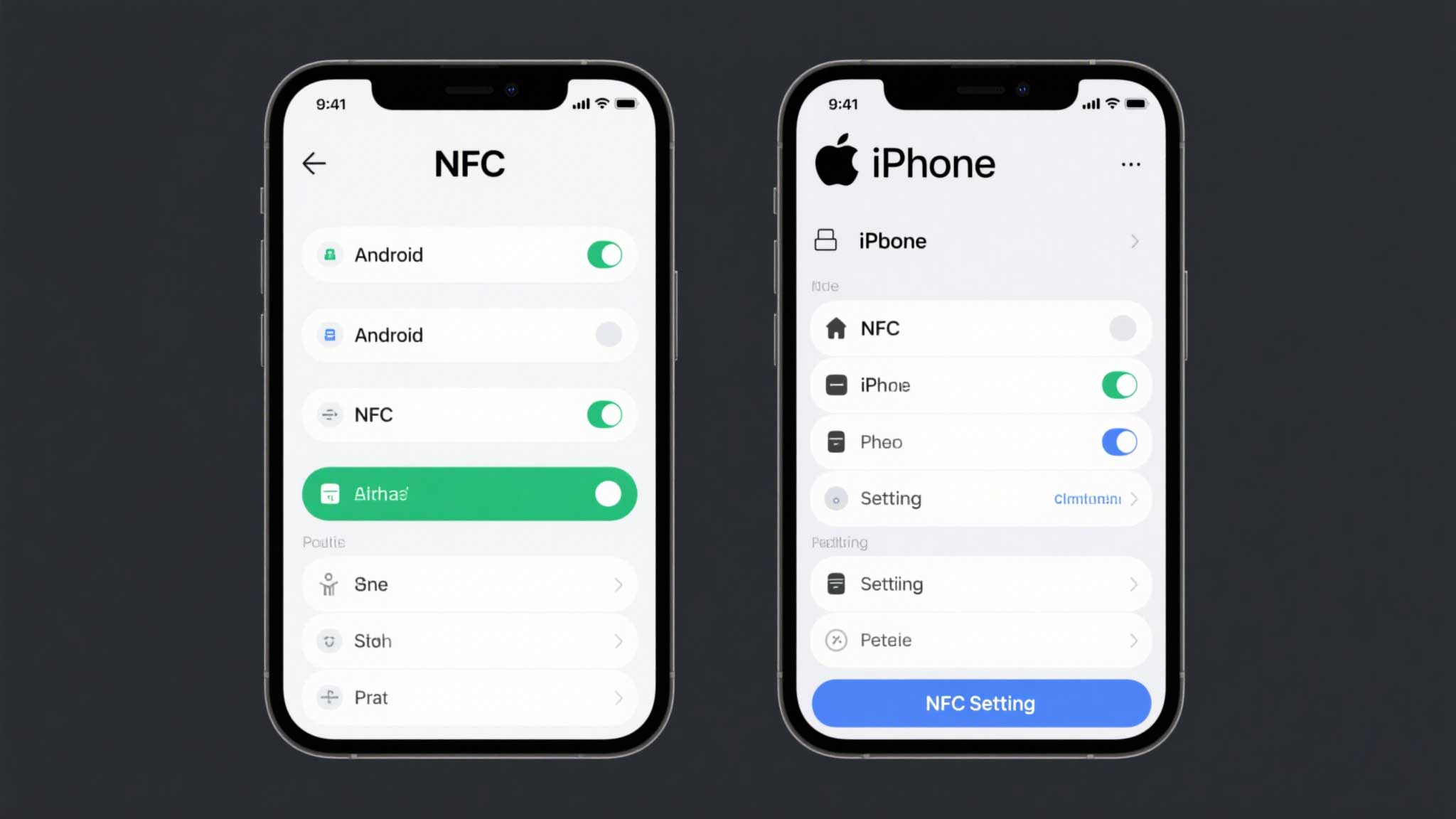
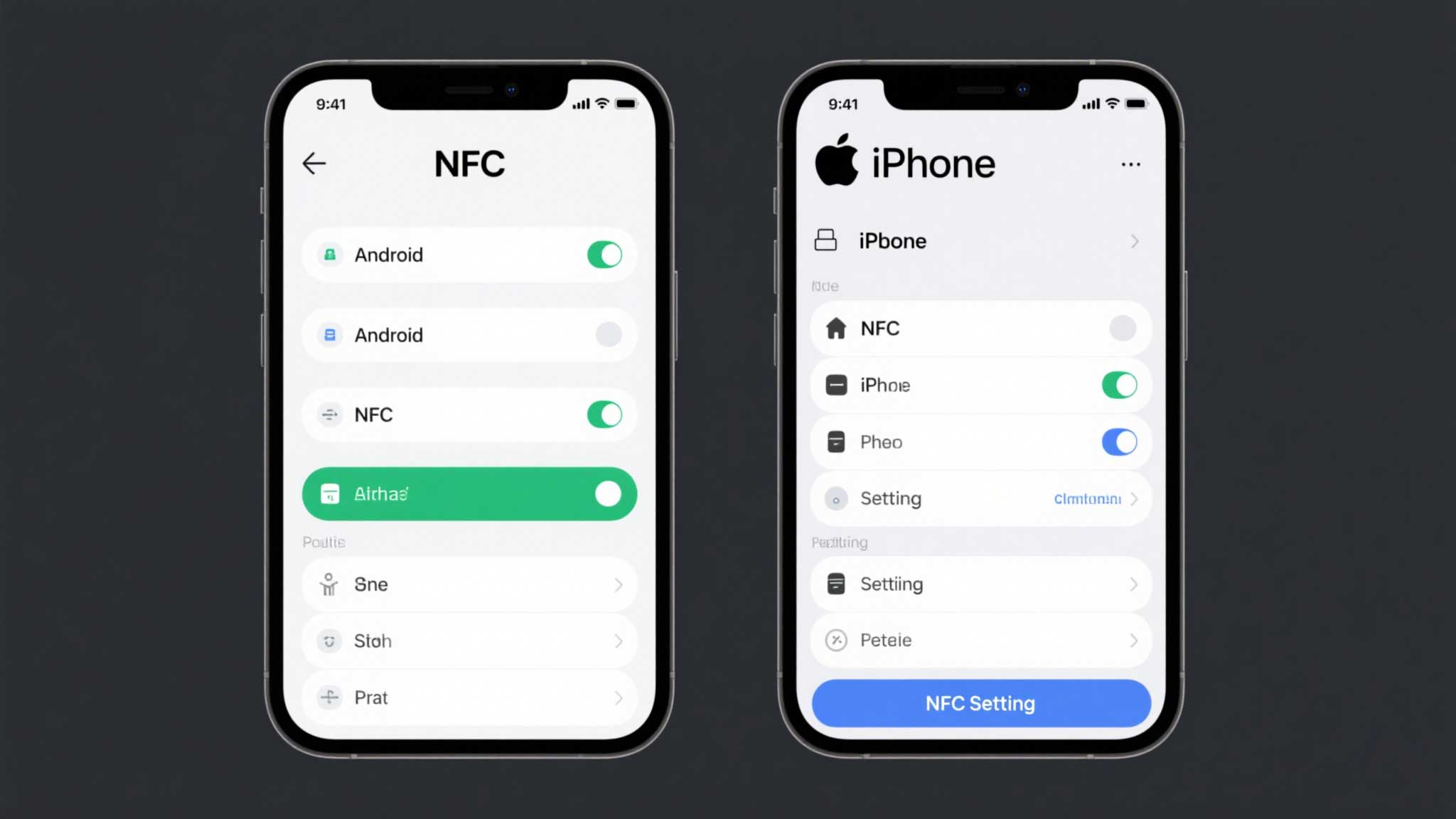
- Go to Settings > Connected Devices > Connection Preferences > NFC.
- Toggle NFC ON.
- If the menu doesn’t exist, your phone lacks NFC hardware (common on budget models).
b. iPhones
- iPhones only support NFC in background mode—no toggles.
- Test by holding a tag near the top of the phone. If it vibrates/chimes, NFC works.
Pro Tip: iPhones can’t write to tags without third-party apps. Android rules here.
3. Step 2: Test the Reader with a Free App
a. For Android:
- Download NFC Tools (free, no ads).
- Connect the reader via USB or Bluetooth.
- Open the app, tap “Scan”, and hold a RFID tag near the reader.
- Success: Tag UID and data pop up.
- Failure: App says “No NFC tag detected” (blame the phone or reader).
b. For iPhones:
- Download NFC Tag Reader by Cykeo (their free app skips Apple’s restrictions).
- Open the app, connect the reader, and scan.
- iPhone 14 Hack: Restart the phone if scans lag—iOS throttles NFC during updates.
4. Step 3: Diagnose Connection Issues
a. “Device Not Supported” Errors
- Fix 1: Use a USB-OTG cable (Android) or MFi-certified adapter (iPhone).
- Fix 2: Update your phone’s OS—manufacturers quietly drop NFC support.
b. Inconsistent Tag Reads
- Fix 1: Hold tags 1–2 inches from the reader (no waving).
- Fix 2: Avoid scanning near metal surfaces or wireless chargers.
Cykeo Workaround: Their readers auto-adjust RF power to reduce interference.
5. Step 4: Real-World Use Cases That Actually Work
a. Retail Inventory
- Android Only: Scan 100+ tags into Google Sheets using NFC Tools + Automate.
- iPhone Limit: Apple restricts bulk scanning to paid enterprise apps.
b. Loyalty Programs
- Write VIP codes to tags with Cykeo’s app—works on both OS.
c. Smart Home Triggers
- Android: Tap a tag to turn on lights (via Tasker).
- iPhone: Needs a $15/month HomeKit subscription. Ugh.
6. Phones That Flunk NFC Tests (Save Your Money)
a. Avoid These Android Models:
- Samsung Galaxy A03s, TCL 20 SE, Motorola Moto G Pure.
b. iPhones to Skip:
- iPhone 6, SE (1st gen), or older.
Takeaway: Testing NFC RFID reader compatibility takes 10 minutes—but most folks skip it and waste $100. Use free apps, check your OS, and remember: iPhones hate NFC freedom. For small biz tasks, grab a mid-range Android and a Cykeo reader. For Apple fans? Pray for iOS updates.


