Biomass Fuel for Industrial Heating
Biomass fuel production has become an important part of the global renewable energy industry. As industries attempt to reduce carbon emissions and lower dependence on fossil fuels, agricultural biomass materials are increasingly being used as renewable fuel sources. Among these materials, peanut shells have gained significant attention because they are widely available and contain excellent combustion properties.
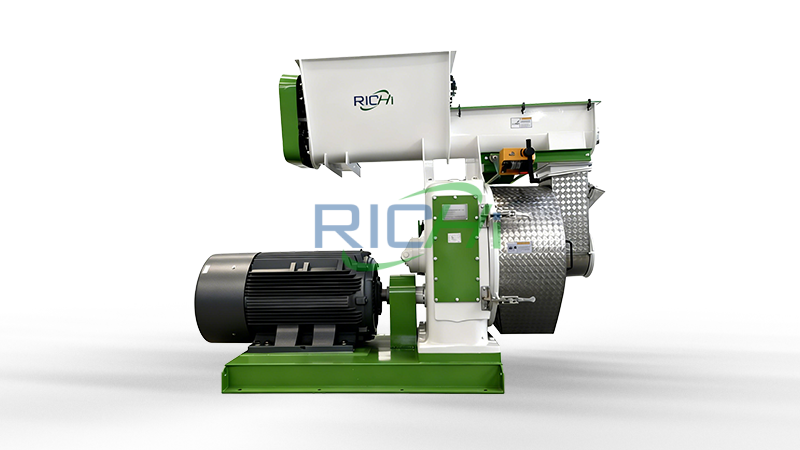
Large quantities of peanut shells are generated every year by food processing industries. Instead of being discarded as waste, these materials can now be converted into high-density biomass pellets suitable for industrial heating and power generation. Modern equipment such as the peanut shell pellet mill allows manufacturers to process agricultural residues efficiently and economically.
Peanut shells contain valuable organic compounds including cellulose and lignin. These materials burn efficiently and generate stable heat energy when processed into pellets. Compared with loose biomass waste, pellets are easier to transport, store, and handle.
The production process begins with raw material collection and transportation. Peanut shells are gathered from agricultural processing facilities and transported to biomass plants for further processing.
Moisture management is critical during storage. Excessive moisture reduces pellet quality and increases energy consumption during production. Drying systems are commonly used to stabilize moisture content before pelletizing.
Grinding and material preparation are also important stages in biomass fuel manufacturing. Uniform particle size improves compression performance and pellet density. Properly prepared raw materials improve fuel consistency and combustion quality.
The peanut shell pellet mill compresses biomass materials under high pressure to form dense cylindrical pellets. During this process, friction generates heat that softens natural lignin within the biomass. Lignin acts as a natural binder, allowing pellets to maintain stable structure without chemical adhesives.
Pellet fuel offers many advantages compared with traditional fuels. Biomass pellets generate lower sulfur emissions than coal and produce less smoke during combustion. They also reduce agricultural waste and improve renewable energy utilization.
After pellet formation, cooling systems stabilize pellet structure and improve durability. Proper cooling reduces breakage and improves transportation safety. Screening systems remove dust and damaged particles before packaging.
Biomass pellets are widely used in industrial boilers, food processing plants, agricultural drying facilities, and biomass power stations. Many companies use biomass fuel to comply with environmental regulations and reduce fuel costs.
Automation systems are increasingly common in modern pellet factories. Intelligent controls regulate feeding speed, temperature, pressure, and moisture levels to improve production stability and reduce labor costs.
Energy efficiency is also essential because pellet production requires significant electricity during grinding and compression stages. Modern factories use energy-saving motors and optimized die systems to improve operational efficiency.
Environmental benefits of biomass pellet production include reduced fossil fuel consumption, lower greenhouse gas emissions, and improved agricultural waste management.
As renewable energy demand continues growing, the peanut shell pellet mill will remain a key technology supporting sustainable biomass fuel production worldwide.


