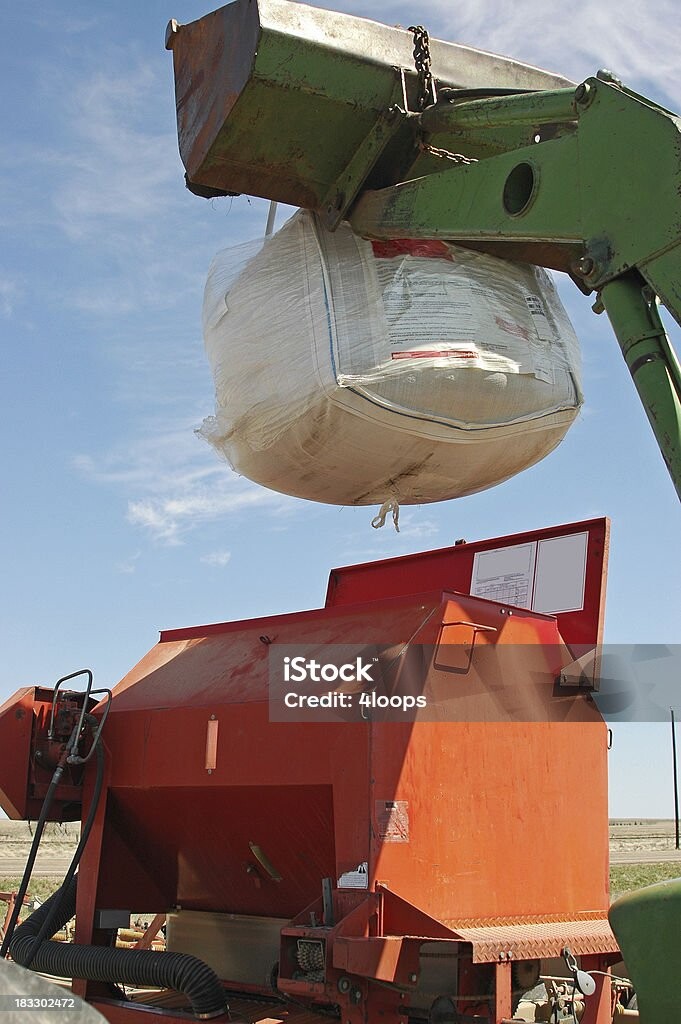
Efficient Bulk Bagging Solution with Super Sack Bag Filler
In industries handling bulk materials like cement, grains, chemicals, or plastic pellets, one of the biggest operational challenges is slow, inconsistent, and labor-heavy packaging. Manual filling of super sacks (also known as FIBC or bulk bags) often leads to inaccurate weighing, product wastage, excessive dust, and increased labor costs. These issues directly affect productivity and profitability.
A modern super sack bag filler solves these problems by automating the entire filling process with precise weighing, controlled material flow, and dust-free operation. It ensures faster packaging, consistent accuracy, and safer working conditions—making it an essential investment for high-volume production facilities.
What is a Super Sack Bag Filler?
A super sack bag filler is an industrial machine designed to fill large bulk bags (FIBC/jumbo bags) with dry, free-flowing materials such as powders, granules, or pellets. It uses automated weighing systems, controlled filling mechanisms, and pneumatic bag handling to ensure accuracy and speed.
These machines are widely used in industries such as construction, agriculture, food processing, mining, and chemicals, where large-scale packaging is required daily.
Key Features of Super Sack Bag Filler
Modern bulk bag filling systems come with advanced technology to improve productivity and accuracy:
High-Precision Weighing System
Digital load cells ensure accurate weight measurement with minimal error, maintaining consistent filling results for every bag.
Heavy-Duty Filling Capacity
Designed to handle bags ranging from 500 kg to 2000 kg, making it suitable for large-scale industrial operations.
High-Speed Operation
Depending on material type, the system can efficiently fill multiple super sacks per hour, significantly increasing output.
Integrated Dust Control System
A built-in dust extraction mechanism reduces airborne particles, ensuring a cleaner and safer working environment.
PLC Control Panel
The programmable logic controller (PLC) allows operators to monitor and control the entire filling process with ease and precision.
Automatic Bag Handling
Automated clamping and release systems reduce manual labor and improve operational safety.
How Does a Super Sack Bag Filler Work?
The working process is simple yet highly efficient:
1. Bag Placement: The empty super sack is attached to the filling spout.
2. Automatic Clamping: Pneumatic arms securely hold the bag in place.
3. Material Filling: Product is fed into the bag through gravity or screw feeding systems.
4. Weight Monitoring: Load cells continuously measure the material for precise filling.
5. Dust-Free Operation: Dust control units minimize contamination during filling.
6. Bag Release: Once the target weight is reached, the bag is automatically released for transport.
This automated cycle ensures consistency, speed, and accuracy in every operation.
Applications of Super Sack Bag Fillers
The bulk bag filling machine is used across a wide range of industries:
- Construction: Cement, sand, lime, and dry mixes
- Agriculture: Grains, rice, flour, animal feed
- Chemicals: Fertilizers, PVC powder, chemical compounds
- Mining: Minerals, ores, stone powder
- Manufacturing: Plastic pellets, industrial raw materials
Its versatility makes it a key solution for any business dealing with bulk solids.
Advantages of Using a Super Sack Bag Filler
Investing in an automated FIBC bag filling system brings multiple operational benefits:
Improved Productivity
Faster filling speeds reduce turnaround time and increase daily output.
Reduced Labor Costs
Automation minimizes the need for manual handling and supervision.
High Accuracy
Advanced weighing technology ensures precise and consistent bag weights.
Cleaner Work Environment
Dust control systems improve workplace safety and reduce environmental impact.
Low Maintenance Design
Built with durable components, the machine ensures long-term reliability with minimal servicing.
Why Choose Advanced Bagging Technology?
At Bagging Machine, our engineering approach focuses on performance, durability, and efficiency. Our super sack filling systems are designed with industry-grade components, smart automation, and customizable configurations to meet different production needs.
We follow strict quality standards and industrial best practices, ensuring that every machine delivers reliable long-term performance. Our expertise in bagging solutions supports industries in achieving higher efficiency, reduced operational costs, and improved packaging accuracy.
Conclusion
A super sack bag filler is more than just a packaging machine—it is a productivity solution for industries handling bulk materials. With automation, precision weighing, and dust-free operation, it transforms traditional packaging into a fast, efficient, and highly accurate process.
For businesses aiming to scale operations and reduce manual inefficiencies, investing in a modern bulk bag filling system is a smart long-term decision that ensures growth, consistency, and operational excellence.
FAQs
1. What is a super sack bag filler used for?
It is used to fill large FIBC bulk bags with powders, grains, or granules in industrial packaging operations.
2. How accurate is a super sack filling machine?
It offers high precision with minimal error due to advanced load cell weighing and automatic calibration systems.
3. What industries use bulk bag fillers?
Industries like agriculture, construction, chemicals, mining, and manufacturing widely use these machines.
4. Can the machine handle different bag sizes?
Yes, it is adjustable and can handle various FIBC bag sizes depending on production requirements.
5. Does it reduce labor costs?
Yes, automation reduces manual labor, improves efficiency, and lowers overall operational expenses significantly.


