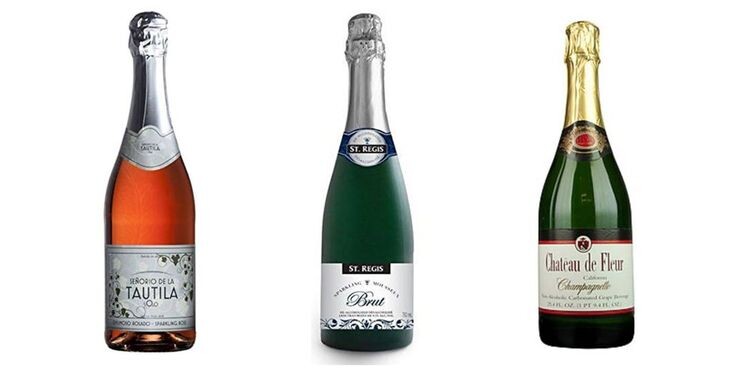
How Non-Alcoholic Champagne Is Made: From Grapes to Glass
The growing demand for sophisticated alcohol-free beverages has transformed the beverage industry in recent years. Among the most popular options is non alcoholic champagne, a sparkling drink that offers the elegance and celebratory feel of traditional champagne without the alcohol content.
Whether enjoyed at weddings, corporate events, family gatherings, or personal celebrations, this beverage provides a refined alternative for those who choose not to consume alcohol.
But how exactly is it made? The journey from vineyard to glass involves careful grape selection, fermentation, alcohol removal, and quality control. Understanding this process helps consumers appreciate the craftsmanship behind every sparkling bottle.
Selecting the Right Grapes
The production process begins in the vineyard. High-quality grapes are essential for creating a premium non alcoholic champagne. Producers often use grape varieties commonly associated with traditional sparkling wines, including Chardonnay, Pinot Noir, and Pinot Meunier.
The timing of the harvest plays a critical role in determining flavor. Grapes intended for sparkling products are usually harvested slightly earlier than those used for still wines. Earlier harvesting helps preserve acidity, which contributes to the crisp and refreshing taste that consumers expect.
Once harvested, the grapes are transported quickly to the winery to maintain freshness and prevent unwanted oxidation.
Pressing and Juice Extraction
After arriving at the production facility, the grapes undergo gentle pressing. This step extracts the juice while minimizing contact with skins and seeds, which can introduce bitterness.
The freshly pressed juice is then clarified to remove solids and impurities. Clarification ensures a cleaner flavor profile and prepares the juice for fermentation. At this stage, producers carefully monitor temperature and handling procedures to preserve delicate fruit aromas.
The resulting grape juice serves as the foundation for the sparkling beverage.
Primary Fermentation
Fermentation is a key stage in creating the complex flavors associated with non alcoholic champagne. During this process, yeast converts natural grape sugars into alcohol and carbon dioxide.
Although the final product will eventually be alcohol-free, many premium producers still allow fermentation to occur because it develops the rich aromas and layered flavors that consumers enjoy. Notes of citrus, apple, pear, and toasted bread often emerge during fermentation, adding depth to the finished beverage.
Temperature-controlled tanks are commonly used to ensure consistency and preserve desirable characteristics. Depending on the producer's style, fermentation may last several weeks.
Developing Sparkling Character
One of the defining features of champagne-style beverages is their effervescence. To achieve this signature sparkle, producers employ techniques similar to those used in traditional sparkling wine production.
Some manufacturers utilize a secondary fermentation process, where additional yeast and sugar are introduced to create natural carbonation. Others may add carbonation later under controlled conditions.
The method chosen affects the texture and bubble quality. Fine, persistent bubbles are often associated with premium products and contribute significantly to the drinking experience.
Alcohol Removal Techniques
Once the desired flavor profile has been achieved, the alcohol must be removed. This stage is what distinguishes alcohol-free sparkling beverages from conventional sparkling wines.
Several advanced techniques are used:
Vacuum Distillation
Vacuum distillation lowers the boiling point of alcohol by reducing pressure inside the system. This allows alcohol to be removed at lower temperatures, helping preserve delicate aromas and flavors that might otherwise be lost.
Spinning Cone Technology
This modern technique uses centrifugal force and low-temperature processing to separate alcohol from the liquid. Aromatic compounds are first collected, alcohol is removed, and then the desirable aromas are reintroduced.
The result is a beverage that retains much of the original flavor complexity.
Reverse Osmosis
Reverse osmosis employs specialized membranes to separate alcohol and water from flavor compounds. After alcohol removal, the remaining components are carefully blended back together to recreate the desired taste profile.
Each method offers unique advantages, and producers choose the approach that best aligns with their quality standards and production goals.
Flavor Refinement and Balancing
Removing alcohol can alter the texture and flavor balance of the beverage. Alcohol contributes body, warmth, and mouthfeel, so producers often make adjustments after the dealcoholization process.
Winemakers may fine-tune acidity, sweetness, and carbonation levels to create a harmonious final product. Some producers add small amounts of grape must or natural flavor components to enhance fruit character.
This balancing stage requires significant expertise, as the goal is to preserve complexity while delivering a refreshing and enjoyable drinking experience.
Filtration and Stabilization
Before bottling, the beverage undergoes filtration to ensure clarity and stability. Filtration removes any remaining particles, yeast residues, or impurities.
Cold stabilization may also be performed to prevent crystal formation during storage. These steps help maintain product quality and extend shelf life.
Rigorous quality-control testing is conducted throughout production to verify flavor consistency, carbonation levels, and microbiological safety.
Bottling the Finished Product
Once the beverage meets quality standards, it is ready for bottling. Specialized equipment fills bottles under pressure to preserve carbonation and maintain freshness.
The bottles are then sealed with corks or sparkling wine closures designed to withstand internal pressure. Attractive packaging and labeling complete the process, preparing the product for distribution to retailers, restaurants, and consumers.
Proper bottling techniques are essential because they protect flavor, preserve bubbles, and ensure a premium presentation.
The Consumer Experience
The popularity of non alcoholic champagne continues to rise as more consumers seek healthier lifestyle choices and inclusive celebration options. Modern production methods have significantly improved quality, allowing producers to create beverages that closely resemble traditional sparkling wines in taste, aroma, and appearance.
Many people enjoy these sparkling alternatives during special occasions, while others choose them for everyday enjoyment. Their versatility makes them suitable for pairing with a wide range of foods, including seafood, fresh salads, light appetizers, and desserts.
As innovation continues, producers are developing increasingly sophisticated products that appeal to a broad audience without compromising on quality or elegance.
Conclusion
Creating non alcoholic champagne involves much more than simply removing alcohol from a beverage. From careful grape selection and fermentation to advanced alcohol-removal technologies and meticulous flavor balancing, every step contributes to the final result. The process combines traditional winemaking expertise with modern innovation to produce a sparkling drink that captures the essence of celebration.
As consumer demand continues to grow, manufacturers are refining techniques and raising quality standards, ensuring that alcohol-free sparkling beverages remain a premium choice for those seeking sophistication in every glass.


