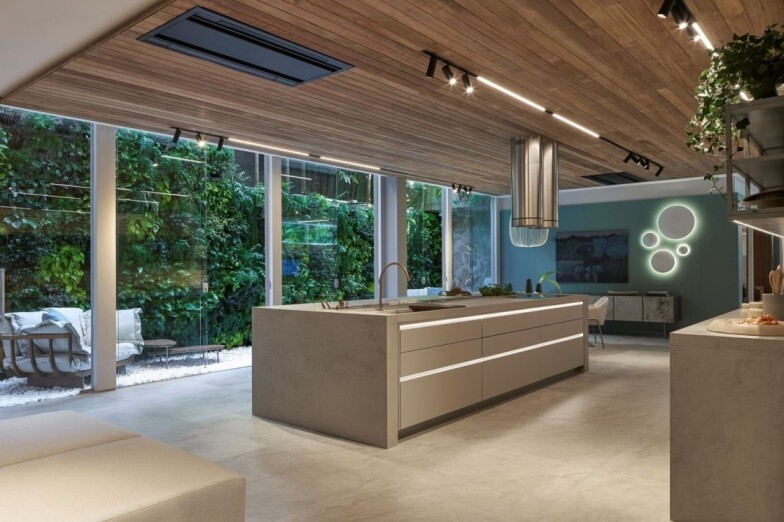
Understanding Dekton Kitchen Worktops for Modern Homes
Choosing a kitchen surface is one of those decisions that feels small until you realise how much it affects daily life. You are looking at it every single day. You are putting hot pans on it, chopping vegetables, wiping up spills, and occasionally resting a coffee cup on the edge while you think about what to cook. The surface you pick needs to handle all of that without falling apart or looking worn after a couple of years.
That is why so many people doing kitchen renovations end up looking seriously at dekton kitchen worktops. Not because they are the cheapest option — they are not — but because they genuinely hold up in ways that matter when a kitchen is actually being used.
So What Exactly Is Dekton?
It is worth understanding what this material actually is before deciding whether it suits your kitchen.
Dekton is not quarried from the ground like granite or marble. It goes through a manufacturing process where raw materials — including glass, porcelain, and natural stone particles — are bonded together using very high pressure and temperature. What comes out the other end is a surface that does not behave like any single one of those materials on its own. It is more resistant, more stable, and much less demanding to look after.
A dekton worktop does not need sealing, which already puts it ahead of many natural stone options. Granite, for instance, needs periodic resealing to stop liquids from working their way in. Dekton skips that step entirely.
Why Do People Actually Choose It?
There are a few practical reasons that come up repeatedly when you speak to homeowners who have had it fitted.
Heat resistance is a big one. Most people know you should use a trivet or board under hot cookware, but in a busy kitchen things get put down quickly and without thinking. Dekton handles that. It will not scorch or leave a permanent mark the way some surfaces would.
Scratch resistance is another. If you have ever had a laminate worktop and watched it gradually pick up surface marks over the years, you will understand why this matters. Dekton worktops are noticeably more resistant to everyday scratching from utensils, keys left on the counter, and general kitchen activity.
Then there is the low maintenance angle. Cleaning is genuinely simple — a wipe down with a damp cloth takes care of most things. There are no special products needed, no annual treatments, and no surfaces to reseal. For families who want a nice kitchen without the upkeep stress, that is worth something.
What About the Range of Finishes?
This is where Dekton surprises people who have not looked into it closely. The assumption is often that engineered surfaces look cold or clinical. In reality, the range is wide enough to suit very different kitchen styles.
There are finishes that lean into a raw, textured concrete look. Others that go bold and dark. Some that are clean and minimal in white or light grey. And then there are options designed to capture the appearance of natural stone — which brings us to one of the most talked-about designs in the range right now.
Dekton Arga has become genuinely popular, and it is not hard to see why. It has a warm, off-white base with soft veining running through it — the kind of look that used to mean specifying actual marble and then worrying about it every time someone left a wine glass on the surface. Dekton Arga gives you that aesthetic without the anxiety. It is resistant to staining, handles heat, and does not require the careful ongoing maintenance that real marble demands.
It works well in both bright, modern kitchens and more traditional spaces where a softer, natural look fits the overall feel of the room. That versatility is part of why it keeps coming up in kitchen design conversations.
Is It Right for Every Kitchen?
Not necessarily. Dekton worktops sit at a higher price point than laminate and some entry-level quartz options. If the kitchen is a rental property or a short-term project, the investment might not make sense. But for a family home where the kitchen gets daily use and you want something that still looks good in ten years, the cost tends to justify itself over time.
It is also worth thinking about the overall design of the space. Dekton comes in enough finishes that it can complement a wide range of kitchen styles, but it is still worth looking at samples in your actual kitchen — under your lighting, next to your cabinet colours — before committing. What looks ideal in a showroom can sometimes read differently in the space where it will actually live.
Final Thoughts
Kitchens take a lot of punishment. The surface you choose needs to keep up with that without becoming an ongoing maintenance project or looking tired before its time.
Dekton kitchen worktops manage to balance durability with design in a way that not many materials do. Whether you are drawn to something minimal and contemporary or something warmer like Dekton Arga, there is enough variety in the range to work across different kitchen styles.
If you want to see the options in person and get a feel for what works in your space, Stone Sense is a good starting point. They carry a solid selection of dekton worktops and can help you find the finish that suits your kitchen without any of the hard sell.


