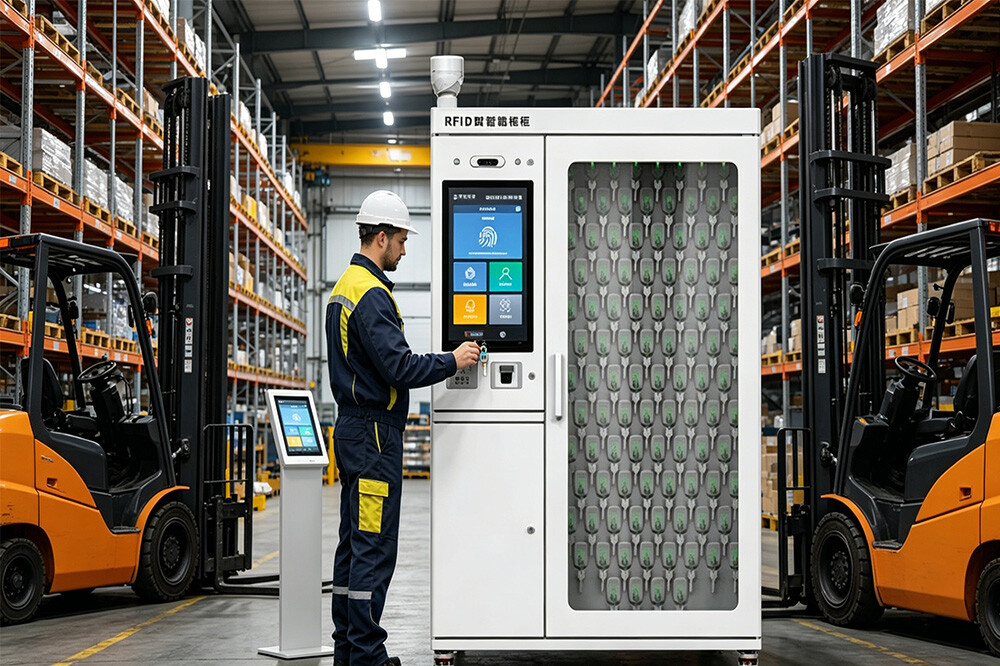
RFID Key Tracking: The Small Change That Solves Surprisingly Expensive Problem
If you’ve ever watched someone spend twenty minutes searching for a missing vehicle key or equipment room key, you already understand the hidden cost of poor key management.
At first glance, a metal key doesn’t seem valuable. But when that key opens a warehouse, a fleet vehicle, a data center cabinet, or restricted machinery, losing it can interrupt operations, create security risks, and waste hours of staff time.
That’s probably why RFID key tracking has been gaining attention across manufacturing plants, logistics centers, hospitals, universities, and government facilities. Instead of relying on handwritten logs or memory, organizations can know where keys are, who removed them, and whether they have been returned.
The technology itself isn’t especially new. What’s changed is that RFID hardware has become more affordable and software has become much easier to integrate into daily workflows.
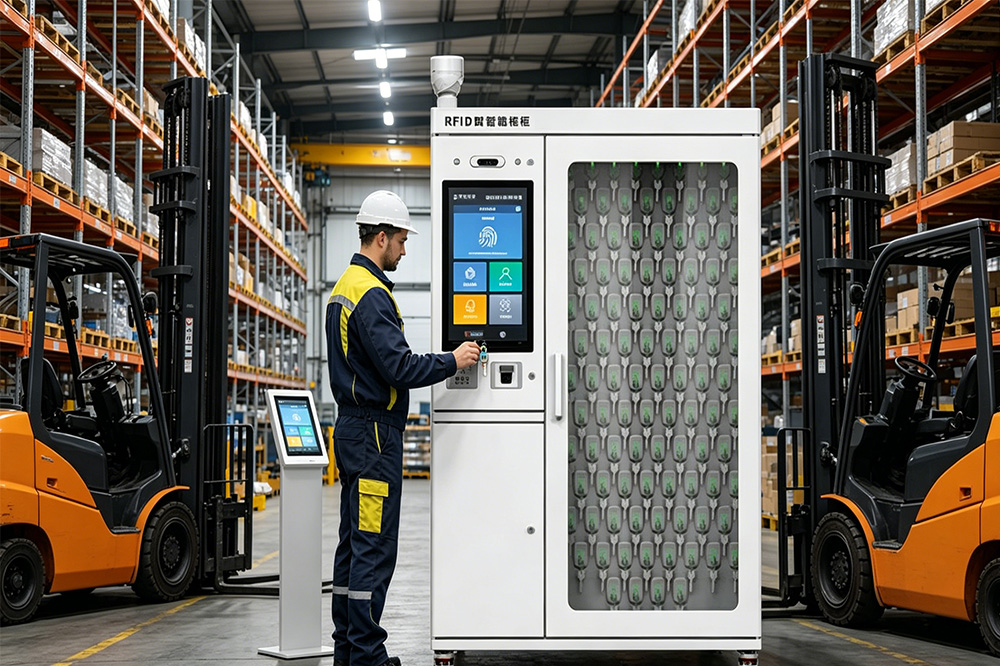
Common Components of an RFID Key Tracking Solution
Although configurations vary, many enterprise deployments include:
- RFID-tagged key rings
- Secure storage cabinets
- Fixed or desktop RFID readers
- Employee identification cards or badges
- Management software dashboard
- Automated reporting
- Event history logs
- Optional alarms or notification systems
Some organizations also combine facial recognition, QR code verification, or touch-screen interfaces to simplify user interaction.


