How to Maintain Natural Stone for Long-Lasting Beauty
Natural stone brings a unique character to any space. Every slab has its own pattern, texture, and colour, making each installation different from the next. Whether used indoors or outdoors, stone remains a practical choice because of its strength and natural appearance. Like any surface, though, it benefits from regular care. A simple maintenance routine keeps the finish clean, reduces wear, and preserves its original look for years.
Know the Type of Stone You Have
Natural stone comes in many varieties, including granite, marble, limestone, sandstone, slate, and travertine. Each one has different characteristics. Some stones are denser, while others absorb more moisture.
Knowing which type of stone is installed in your home makes it easier to choose suitable cleaning products and maintenance methods. If you're unsure, installation records or guidance from Natural stone suppliers Sydney can help identify the material.
Clean Dust and Dirt Regularly
Daily dirt and fine dust may not seem like a problem, but over time they can leave small scratches on the surface.
Sweep floors with a soft broom or use a vacuum with a brush attachment. For countertops and wall surfaces, a microfiber cloth works well. When deeper cleaning is needed, warm water with a pH-neutral stone cleaner is usually enough.
Strong chemicals such as vinegar, bleach, lemon juice, or ammonia should be avoided because they can damage certain stones and wear away protective sealers.
Simple, regular cleaning is often more effective than occasional heavy scrubbing.
Wipe Up Spills Quickly
Natural stone can absorb liquids if they remain on the surface for too long. Coffee, tea, wine, cooking oil, sauces, and fruit juice are common causes of stains.
Instead of rubbing the spill, blot it gently with a clean cloth or paper towel. This prevents the liquid from spreading further across the surface.
The sooner a spill is removed, the lower the chance of permanent marks.
Seal the Surface When Required
Many natural stones benefit from sealing. A quality sealer reduces moisture absorption and makes cleaning easier.
How often sealing is needed depends on the type of stone and where it is installed. Outdoor areas generally require more attention because they face rain, sunlight, and changing weather conditions.
A simple water test can indicate whether resealing is needed. Place a few drops of water on the stone. If the water soaks in quickly instead of forming small beads, the surface may need another coat of sealer.
Always choose products made specifically for natural stone.
Looking After Outdoor Stone Flooring
Outdoor stone surfaces deal with changing weather throughout the year. Dust, fallen leaves, rain, and sunlight gradually affect the finish if regular maintenance is ignored.
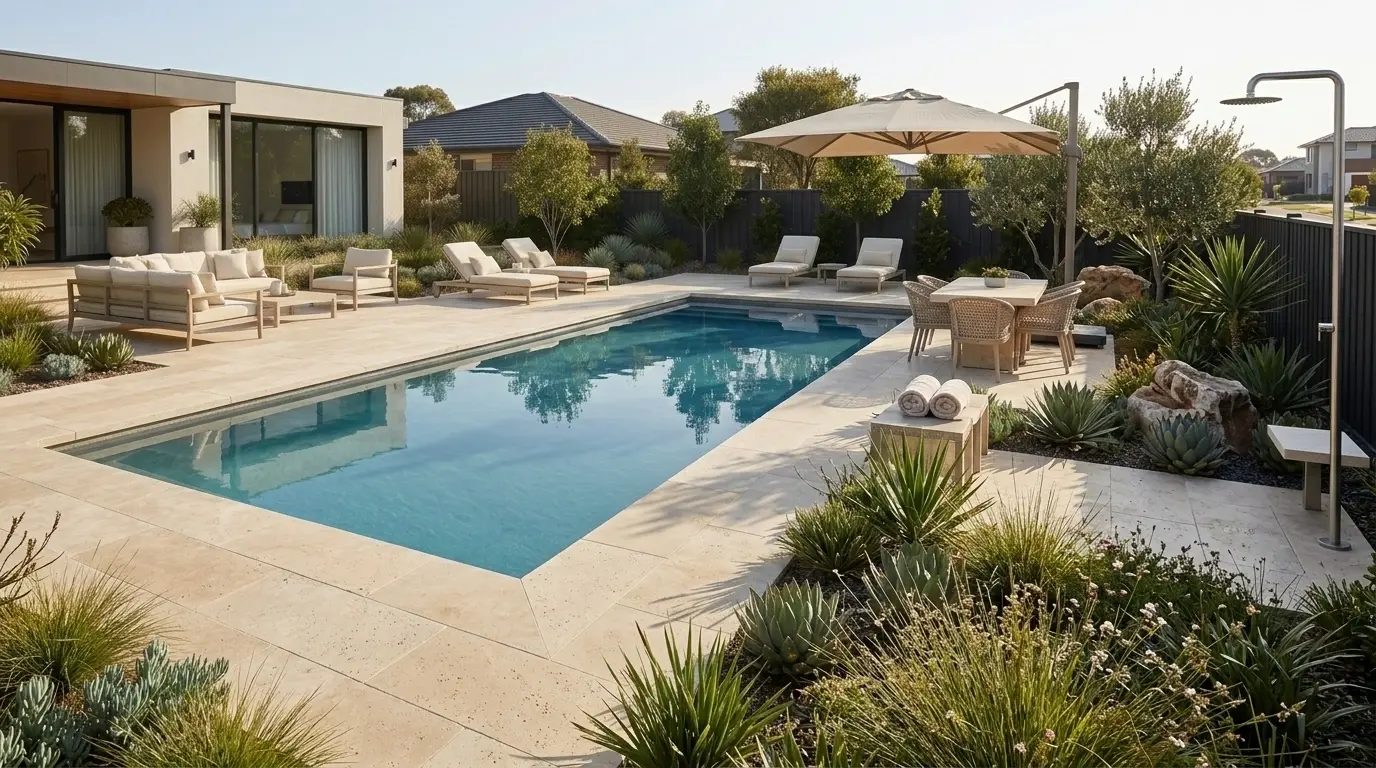
For Outdoor Stone Flooring, sweep away leaves and dirt before they collect in corners or joints. Organic debris can encourage moss or algae growth, especially in damp areas.
Wash the surface occasionally using clean water and a stone-safe cleaner. If using a pressure washer, keep the pressure low to avoid damaging softer stones or removing the protective seal.
Good drainage also makes a noticeable difference by preventing water from sitting on the surface after rainfall.


