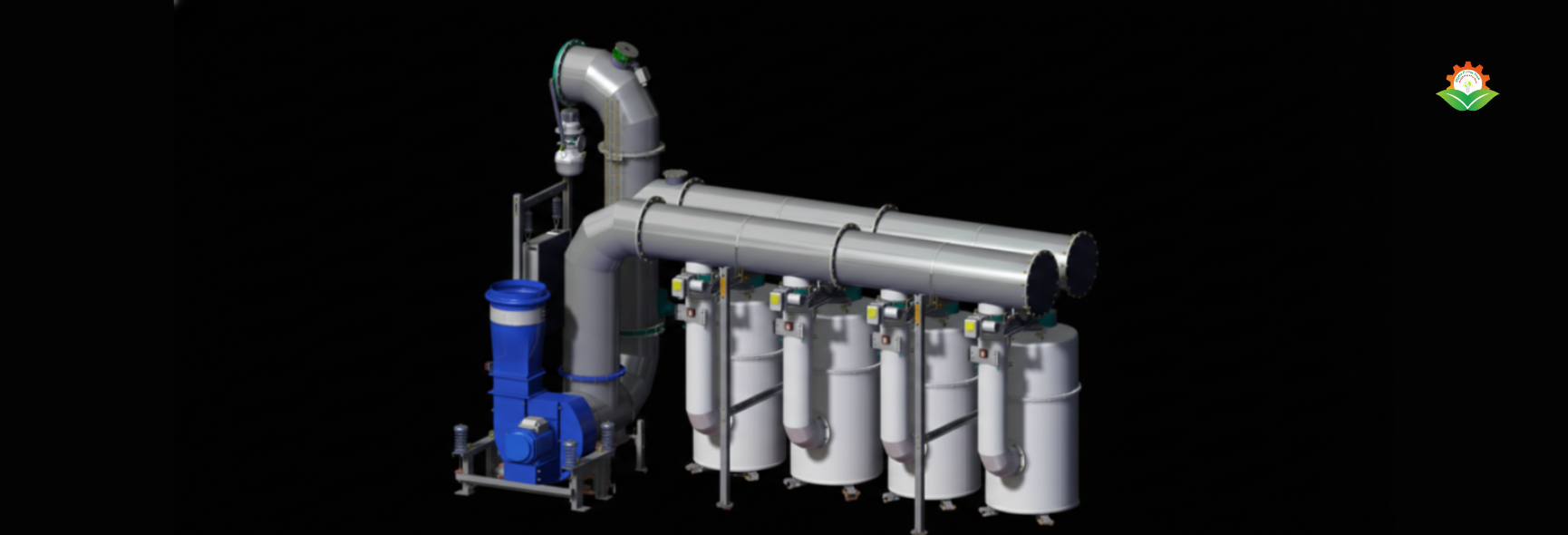
How a CBRN Filtration System Works?
A defence command centre receives intelligence about a potential airborne chemical release near a strategic installation. Within moments, external air intakes are isolated, contamination sensors activate, and the facility switches to protected ventilation mode. Personnel continue critical operations because the air entering the building is continuously purified before it reaches occupied areas. This level of protection is made possible by a well-engineered CBRN Filtration System, designed specifically for environments where airborne contamination can threaten both lives and mission continuity.
Why a CBRN Filtration System Is Essential
Modern security planning extends beyond physical barriers. Military bases, emergency response centres, nuclear facilities, underground shelters, and industrial plants must also protect occupants from invisible airborne hazards.
A CBRN Filtration System is designed to defend enclosed spaces against chemical warfare agents, biological contaminants, radioactive particles, and hazardous industrial pollutants. Unlike conventional ventilation equipment, these systems combine high-efficiency filtration, toxic gas adsorption, controlled airflow, and positive pressure to maintain a safe indoor environment even during contamination incidents.
As governments and critical industries strengthen resilience against evolving threats, advanced NBC protection has become an integral part of facility engineering.
What Is a CBRN Filtration System?
A CBRN filtration system is a specialized air treatment solution engineered to prevent hazardous airborne contaminants from entering protected facilities.
The system continuously draws outside air through multiple filtration stages before delivering clean, breathable air into occupied spaces. Simultaneously, it maintains positive internal pressure, preventing contaminated outdoor air from infiltrating through small structural openings.
Unlike a conventional HVAC installation, an nbc filter system is specifically designed to perform reliably during emergency conditions where air quality directly affects occupant safety.
How Does a CBRN Filtration System Work?
Multi-Stage Air Protection Inside a CBRN Filtration System
The effectiveness of these systems comes from combining several complementary filtration technologies.
The first stage uses pre-filters to remove coarse dust and airborne debris. This extends the service life of downstream filters while maintaining airflow efficiency.
HEPA filtration follows, capturing extremely fine radioactive particles, biological aerosols, spores, and other microscopic contaminants with very high efficiency.
The final stage employs activated carbon filters. These specialized media adsorb toxic industrial chemicals, chemical warfare agents, and harmful vapours that particulate filters cannot remove.
Once purified, air enters the protected area under controlled positive pressure. This engineered pressure differential prevents contaminated air from leaking into occupied spaces, even if minor gaps exist around doors or utility penetrations.
Modern environmental control systems also integrate airflow monitoring, pressure regulation, and alarm functions to ensure continuous protection throughout an emergency.
Key Features of Modern CBRN Filtration Systems
High-performance systems incorporate multiple engineering features to deliver reliable long-term protection.
Key characteristics include:
- HEPA filtration for radioactive dust and biological particles
- Activated carbon filtration for hazardous chemical adsorption
- Protection against toxic industrial chemicals and warfare agents
- Positive pressure ventilation to prevent contamination ingress
- Corrosion-resistant housing for harsh operating environments
- Compatibility with continuous air quality monitoring systems
- Modular construction for different facility capacities
- Low maintenance design with scheduled filter replacement
- Energy-efficient airflow management
- Long operational service life
- Reliable emergency operation during prolonged incidents
These features enable facilities to maintain safe occupancy while minimizing operational disruptions.
Applications Across Defence and Critical Infrastructure
CBRN filtration systems are used wherever uninterrupted operations and occupant protection are essential.
Typical applications include:
- Military shelters
- Underground bunkers
- Defence installations
- Command and control centres
- Ammunition storage facilities
- Nuclear power plants
- Chemical processing facilities
- Petrochemical industries
- Government security buildings
- Emergency operation centres
- Strategic infrastructure
- Data centres supporting critical operations
- High-security industrial facilities
Demand continues to grow for NBC filter for bunker installations as governments and organizations invest in resilient underground infrastructure capable of supporting extended occupancy during emergencies.
Engineering Factors for System Selection
Selecting the appropriate filtration system requires a structured engineering assessment rather than a simple equipment comparison.
Engineers first identify expected threat categories, followed by airflow capacity requirements, filtration efficiency targets, occupancy levels, and shelter dimensions.
Environmental conditions—including humidity, dust concentration, temperature, and corrosive exposure—also influence filter selection and housing materials.
Monitoring and control systems should provide continuous verification of airflow, pressure, and filter condition while supporting preventive maintenance planning.
Although users frequently search for NBC air filtration system price or Nbc filtration system in faridabad price, lifecycle reliability, regulatory compliance, and operational performance provide greater long-term value than initial procurement cost alone.
For readers seeking a deeper technical overview of system design, components, and engineering considerations, this guide on CBRN Filtration System offers additional educational insights into modern protective air filtration technologies.
What Buyers Should Evaluate Before Choosing a Manufacturer
Choosing the right supplier is as important as selecting the correct equipment.
Buyers should assess:
- Proven defence engineering experience
- Manufacturing capability and quality assurance
- Compliance with applicable defence and industrial standards
- Product testing and validation procedures
- System customization options
- Installation and commissioning support
- Technical documentation quality
- Maintenance services and spare parts availability
- Long-term product reliability
- Engineering consultation throughout the project lifecycle
Organizations comparing the Top cbrn filtration system manufacturers in india or the Top NBC filtration system manufacturers in india should focus on technical competence, documented performance, and after-sales engineering support rather than product specifications alone.
Common Mistakes to Avoid
Several planning mistakes reduce overall system effectiveness.
Selecting equipment before conducting a proper threat assessment often leads to inadequate protection.
Ignoring airflow calculations can compromise positive pressure, increasing the risk of contaminated air entering protected areas.
Other common errors include underestimating filtration requirements, choosing equipment solely on cost, overlooking maintenance schedules, neglecting compliance standards, failing to account for future facility expansion, using improper filter replacement practices, and commissioning systems without comprehensive performance testing.
Careful engineering design and routine operational verification significantly improve long-term system reliability.
Conclusion
A CBRN Filtration System is a critical engineering solution that protects occupants against chemical, biological, radiological, and nuclear threats while ensuring operational continuity in high-risk environments. Its effectiveness depends on integrated HEPA filtration, activated carbon technology, positive pressure ventilation, continuous monitoring, and disciplined maintenance practices.
Whether protecting military shelters, government command centres, industrial facilities, or strategic infrastructure, the right system should be selected through comprehensive threat assessment, sound engineering principles, and verified performance standards. Investing in a properly engineered CBRN Filtration System strengthens infrastructure resilience, supports regulatory compliance, and enhances preparedness for the complex airborne hazards faced by today's critical facilities.


