Zoho CRM Data Migration: What Businesses Should Know Before Implementation
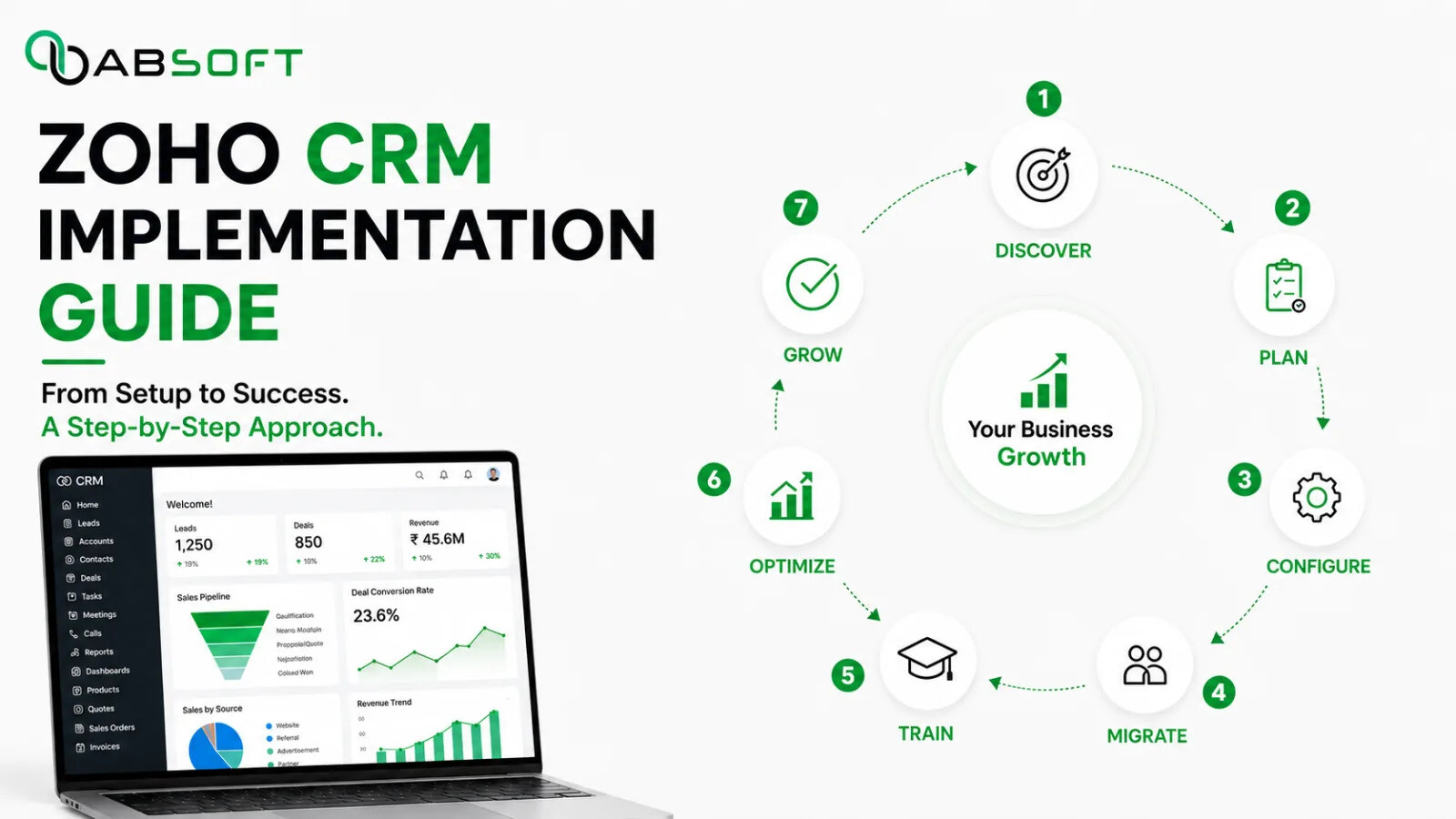
Data is one of the most valuable assets in any organization, but it can also become one of the biggest challenges during a CRM implementation. Businesses often store customer information across Excel spreadsheets, Google Sheets, legacy CRM systems, ERP platforms, email applications, and internal databases. Moving this information into Zoho CRM requires proper planning.
A successful Zoho CRM implementation should include a structured data migration process rather than simply importing every available record.
The first step is identifying all existing data sources. Businesses should determine where customer records, contact information, sales history, notes, activities, and other important information are stored. Once the sources have been identified, the data should be reviewed for duplicates, incomplete records, outdated information, and inconsistent formats.
Data cleansing is particularly important. For example, phone numbers may be stored in different formats, company names may have spelling variations, and the same customer may appear multiple times. Importing these records without cleaning them can create duplicate customer profiles and inaccurate reports.
The next step is field mapping. Existing fields must be matched with the appropriate fields in Zoho CRM. Businesses may also need to create custom fields if their existing information does not fit into the standard CRM structure.
Testing should take place before the complete migration. A small sample of records can be imported first to verify that fields, relationships, ownership, notes, and other information are being transferred correctly.
A professional Zoho CRM implementation partner can help businesses manage more complex migrations, particularly when data needs to be transferred from another CRM platform or when multiple departments use different databases.
Data migration should also include post-migration validation. Businesses should compare record counts, check important relationships, review duplicate records, and confirm that users can access the information they need.
When handled correctly, migration provides businesses with a clean foundation for their new CRM. When handled poorly, inaccurate or duplicated data can undermine confidence in the entire system.
Therefore, data migration should be treated as a strategic part of Zoho CRM implementation services, not as a simple technical task performed at the end of the project.
Read More: A Complete Guide to Zoho CRM Implementation for Growing Businesses


