How to Implement Maslow ‘S Theory of Motivation at Workplace
You cannot become a leader without having a team who follows your guidance so it is crucial to learn how to motivate your teammates to work with each other to achieve an agenda. Motivation is the key to drive your teamwork into success and how would you do it? The first thing you need to do; understand people’s motives- what is the reasons that motivate them to do what they are doing in the organisation.
Maslow’s Theory of needs highlights that “people have needs”. Here in this context, the needs refer to the lack of something we want or need. This need gives birth to the desire which motivates all of us to achieve necessities to achieve our needs. More information on the topic can be obtained through Maslow Motivation Theory Assignment Help.
Maslow’s Theory of Needs
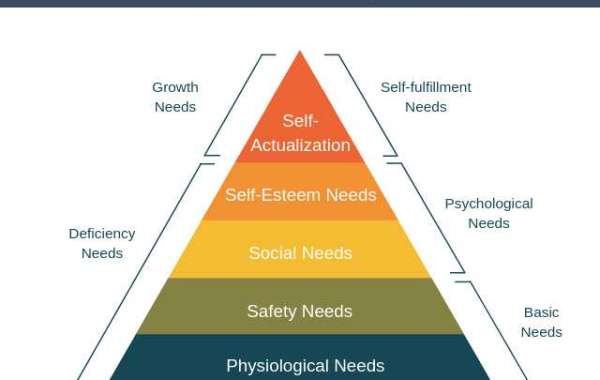
Maslow’s Theory of needs also known as “theory of motivation” defines that people have five fundamental needs in the shape of the pyramid. Where a person begins with the lowest needs and ends up on the peak. The five order of needs are explained as below: -
• Physiological Needs: The physiological needs refer to the basic survival needs such as food, shelter, and sleep. The money is the best method to satisfy these needs.
• Safety Needs: Once a person has fulfilled the physiological needs, safety needs becomes the second priorities. The safety needs represent stability needs like secure environment, stable job, fair work practices and more.
• Belonging Needs: The belongings of the human being makes us generous living being. As human being, we need to be accepted by other groups. At the workplace, belonging needs refers to acceptance such as friendship and corporation at the job.
• Self-Esteem Needs: The feeling of being to “belong”, the recognition, appreciation and a better self-image is also a necessary part of the basic needs.
• Self-Realisation Needs: the self-realisation defines the desires a person has for self-fulfilment.
Those who are writing an assignment on the topic can acquire Maslow motivation theory assignment help to know more.
How to Apply Maslow’s Theory of Needs at the Workplace?
Maslow’s theory highlights an employee’s needs from the lower to upper order. This theory seems relevant as at the beginning of the career an employee is highly concerned about the physiology needs such as good wages and security needs as a stable work environment.
Employees who are the lowest level of the pyramid will take decisions on the basis of their compensation, safety and stability needs. Also, employees can revert back to satisfying their basic needs when their needs are being threatened or no longer meet such as during the economic downturn or recession.
As the management experts say “the first priority of the employee is to survive. They will be barely motivated if their pay is low and unfair”. Other difficult yet necessary decisions like staff reduction can make remaining employees within the organisation to feel threatened about their job.
Once the employees have successfully fulfilled all his basic needs, he will desire belongings needs that will make him feel like a part of the organisation. Here the level of the social interaction will depend upon the nature of the employees whether he is introvert or extrovert. This means an interpersonal nature is necessary to all. Once fulfilled, self-esteem needs appear on the list where an employee needs to be recognised for his hard work.
With self-actualisation, the employee will show his interest in personal development and growth. He needs to possess the expertise in the tasks he performs at his workplace. This is the highest level of needs where employees can fulfil their own self-actualisation needs.


