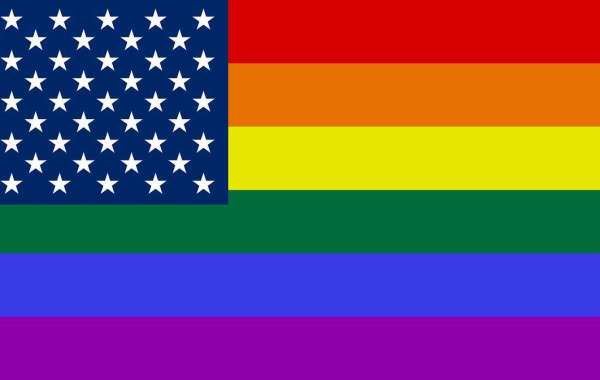
5 Best US Cities for Queer Travelers
It is essential to be able to feel safe and accepted in a city. This is why cities that are more LGBT-friendly are able to provide the necessary resources and support for their gay and lesbian residents, who can show their love and passion freely without any fear of judgment as they meet in public places or go on dates after getting to know each other online.
Cities with the most LGBTQ-friendly policies tend to have higher rates of same-sex marriage, gender identity law, anti-discrimination laws, and transgender rights.
The presence of visible queer people in a city also helps make it more LGBT-friendly.
The best cities for queer travelers are those that allow them to live their lives without having to worry about the limitations of their sexuality.
1. San Francisco, California
San Francisco has been called a gay-friendly city since the 1970s. In the 1980s, San Francisco became one of the first cities in the US to pass legislation protecting LGBT citizens against discrimination and hate crimes.
San Francisco is known for its queer history and its acceptance of LGBT people. It's also a very visible place for LGBTQ people and their allies. This visibility has helped make San Francisco more welcoming to LGBT people.
San Francisco has a large, diverse population that includes many different sexual orientations and gender identities. In addition to this diversity, there are also many public accommodations like restaurants, hotels, bars, clubs, cafes and so on that are welcoming to everyone regardless of their sexual orientation or gender identity.
2. New York City, New York
New York City is the most populous city in the United States. As one of America’s most diverse cities, it has a large LGBT community.
New York City is considered one of the most LGBT-friendly places in the world. It has a vibrant and welcoming LGBT community that is visible on the streets, in public accommodations, and in entertainment. The city also has a robust network of organizations that are dedicated to improving the lives of LGBTQ people and their families.
New York City’s visibility, acceptance, and public accommodations make it an ideal place for lesbian people to live, work or visit.
3. Chicago, Illinois
Chicago is considered one of the most LGBTQ-friendly cities in the United States. It has a long history of being an open and accepting city.
Chicago is often considered one of the most LGBTQ-friendly cities in the United States, but it has a long history of being an open and accepting city. Chicago was founded by settlers from New England who were not only tolerant but also saw the value in diversity and inclusion.
The visibility of LGBTQ people in Chicago has been increasing over time. This can be seen through events like Pride Parade, Dyke March, Trans Day of Visibility, and many more that are held annually to celebrate diversity and acceptance. Public accommodations have also been made more inclusive for LGBTQ people.
4. Washington D.C., District of Columbia
Washington is one of the most progressive cities in the country when it comes to LGBTQ rights. It has a long history of being a welcoming and accepting place for all people, including Lgbtqia+ individuals.
One key reason why Washington is more LGBTQ-friendly than other cities is its visibility. The city has been recognized as an LGBT-friendly destination since the 1970s, which means that there are many businesses and organizations that cater to the Lgbtqia+ community.
The city also has a lot of public accommodations that are open to all people, including restaurants and hotels.
5. Seattle, Washington
The city of Seattle is a popular destination for LGBT individuals, thanks to its vibrant and accepting community.
Seattle is known as the “Rainbow City” because of its thriving LGBT community. The city has a variety of resources for this group, including the Seattle Center, which hosts the annual Seattle Pride Parade.
Seattle has a long history with LGBT rights. In 1971, it became one of the first cities to pass an anti-discrimination ordinance in response to complaints from gay and lesbian residents about unfair treatment in employment and housing.


